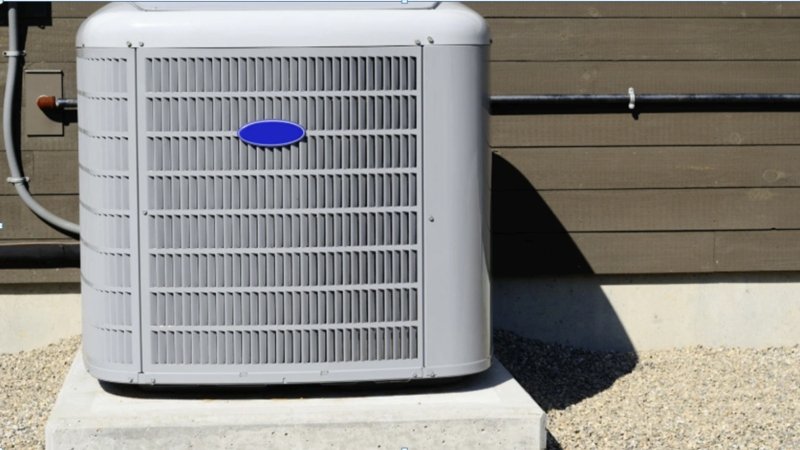
Seasonal change puts significant demand on your HVAC system. As temperatures drop, homeowners must ensure their systems are ready to shift from cooling to heating without performance issues. Neglecting this transition can lead to inefficiencies, unexpected breakdowns, and unnecessary strain on components. Many homeowners seeking services for HVAC in Rotonda recognize that preparation, calibration, and inspection are critical for seamless operation as winter approaches.
Why Transitioning Properly Matters
Your HVAC system operates differently during heating and cooling cycles. Overlooking pre-winter preparation can cause mechanical stress, energy loss, and airflow imbalances. Dust buildup, clogged filters, or misaligned thermostats may not seem significant, but these small issues can drastically affect system efficiency. Proper transitioning ensures every component, from ductwork to compressors, is ready to handle the heating load effectively.
Professionals conduct detailed checks to verify the integrity of coils, filters, and electrical systems. They ensure the furnace or heat pump is clean, lubricated, and free of obstructions, allowing it to perform optimally through colder months. This preventive step minimizes energy waste and avoids mid-season breakdowns.
The Technical Side of Seasonal Change
Switching your system from cooling to heating involves more than simply toggling thermostat settings. It requires verifying refrigerant levels, testing airflow balance, and inspecting heat exchangers for early signs of wear. These adjustments maintain energy efficiency while protecting mechanical components from overexertion.
Thermostat recalibration is also essential. A misconfigured thermostat can lead to temperature inconsistencies, system cycling issues, and inflated energy bills. Professionals perform sensor testing and recalibration to ensure accurate readings and responsive temperature control.
Importance of Timely Maintenance
One of the most effective ways to ensure smooth seasonal transitions is through consistent preventive maintenance. The importance of regular HVAC inspection lies in identifying minor issues before they evolve into major system failures. Inspections involve detailed analysis of ductwork, blower motors, and safety switches to guarantee everything functions at maximum efficiency.
Maintenance typically includes cleaning the condenser coils, tightening electrical connections, checking for leaks, and testing safety controls. These checks ensure your HVAC system delivers steady, clean, and efficient heat without interruptions.
Energy Efficiency and Indoor Comfort
A system that transitions correctly consumes less power and maintains consistent indoor temperatures. Homeowners often overlook how proper preparation impacts both comfort and air quality. A well-maintained system keeps humidity balanced, preventing dry air and ensuring optimal airflow throughout the home.
Technicians also evaluate ductwork integrity and insulation levels, ensuring heat is distributed evenly. This not only reduces energy waste but also creates a more stable indoor environment, crucial for both comfort and cost control during winter.
Why Professional Assistance Is Essential
Attempting to handle seasonal transitions independently often leads to overlooked details that compromise performance. Certified technicians use specialized tools to assess pressure levels, inspect blower components, and detect potential hazards like carbon monoxide leaks. Their expertise ensures safety, compliance, and reliability throughout the heating season.
Beyond basic servicing, professionals can also recommend system upgrades or component replacements if inefficiencies are detected. Their insights help homeowners make informed decisions that align with both performance and energy goals.
Conclusion
Transitioning your HVAC system from cooling to heating is not just a routine task; it’s a critical step in ensuring efficiency, reliability, and safety for the months ahead. Professional servicing ensures all mechanical components, airflow channels, and electrical connections are optimized for heating performance.
Homeowners who prioritize this transition experience consistent warmth, reduced energy bills, and fewer emergency repairs during peak winter usage. Combining thorough preparation with regular professional inspections guarantees that your HVAC system runs smoothly, adapts seamlessly to temperature changes, and maintains comfort in every corner of your home. In the long run, this proactive approach preserves system longevity and delivers dependable performance season after season. You Can Also Read: How HVAC Choices Change a Home’s Emergency Playbook