
When you picture a perfect garden pond, you probably imagine calm, clear water reflecting sunlight, surrounded by lush plants and maybe a few koi gliding below the surface. But what you don’t see is the silent work going on beneath that beauty—the circulation, aeration, and filtration systems that keep everything alive and balanced. Among these, waterfall pumps play a vital role.
By combining motion, oxygenation, and natural filtration, a waterfall pump can turn stagnant water into a thriving ecosystem. When paired with an effective pond filtration system, it creates the perfect harmony between aesthetics and environmental health. That’s the approach taken by Poposoap, an industry leader known for transforming eco-technology into effortless pond care.
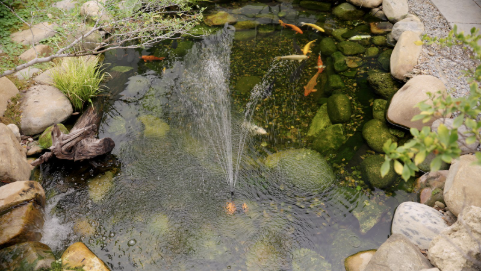
Why Water Movement Matters
Still water may look peaceful, but it’s a breeding ground for algae, mosquitoes, and bacteria. Without circulation, ponds quickly lose oxygen, becoming cloudy and unhealthy. Flowing water, however, brings vitality—it supports life, prevents stagnation, and improves the biological balance of your pond.
This is where waterfall pumps come in. By creating continuous movement, they not only add visual and auditory beauty but also support the essential functions that keep a pond clear and clean. Each ripple of water is a moment of oxygen exchange, each cascade a miniature filtration cycle powered by nature.
Understanding the Connection Between Waterfall Pumps and Pond Filtration
At the heart of a healthy pond lies balance—between organic matter, bacteria, oxygen, and water flow. The combination of pond filtration and a waterfall pump helps maintain this balance through three core functions:
1. Circulation
The continuous flow from a waterfall pump ensures that all areas of the pond receive fresh, oxygen-rich water. This prevents “dead zones” where debris can accumulate and harmful anaerobic bacteria thrive.
2. Oxygenation
As water flows over rocks and falls through the air, it absorbs oxygen—a process vital for fish, plants, and beneficial bacteria. The higher the flow and the greater the water’s exposure to air, the more oxygen your pond naturally gains.
3. Filtration Support
While filters remove debris and purify water, pumps deliver that water to the filtration system efficiently. A properly sized waterfall pump keeps your filtration cycle active, circulating the entire pond volume several times a day for optimal clarity.
The Role of Poposoap in Modern Pond Systems
Poposoap designs its pumps and filters not just as standalone devices, but as parts of a self-sustaining ecosystem. Their products focus on natural energy flow—powered by sunlight, driven by intelligent engineering, and optimized for minimal maintenance. The result is a pond system that practically takes care of itself.
Poposoap’s waterfall pumps, such as the CascadePro Series and SolarWave 30W, are known for their strong water flow, quiet operation, and energy efficiency. When combined with Poposoap’s EcoFilter Box or BioFlow Filtration System, they create an ideal circulation pattern that enhances both biological and mechanical pond filtration.
How Waterfall Pumps Improve Pond Oxygen Balance
Oxygen is the lifeblood of any pond. Without it, fish suffocate, beneficial bacteria die off, and algae thrive. A well-placed waterfall pump turns this challenge into an opportunity—naturally maintaining oxygen balance through motion and aeration.
Here’s how it works:
- Surface Aeration: The waterfall breaks the surface tension, allowing oxygen to enter the water while releasing carbon dioxide and other gases.
- Subsurface Circulation: The pump draws deeper, oxygen-poor water upward, mixing it with surface water for uniform oxygen distribution.
- Biological Boost: More oxygen supports beneficial bacteria that break down organic waste, reducing the nutrient load that feeds algae.
The result? A cleaner pond, healthier fish, and a more balanced aquatic ecosystem—all achieved through natural processes powered by a waterfall pump.
Choosing the Right Waterfall Pump for Pond Filtration
Not all ponds or waterfalls are alike. Selecting the right waterfall pump depends on your pond’s size, depth, and desired water movement. Poposoap’s pumps come in a variety of sizes and power levels, suitable for everything from small backyard ponds to large, multi-tier waterfalls.
Step 1: Calculate Pond Volume
Estimate the total water volume (length × width × depth × 7.5). This helps determine how powerful your pump should be. Ideally, the pump should circulate the full pond volume once every hour for optimal pond filtration.
Step 2: Consider Head Height
Head height measures how high the pump must lift water to reach the top of your waterfall. Poposoap’s CascadePro 40W is designed to handle higher lifts efficiently, maintaining consistent flow at different elevations.
Step 3: Match Flow Rate to Aesthetics
Gentle cascades require about 100 gallons per hour per inch of waterfall width, while bold waterfalls may need up to 150 GPH per inch. Poposoap pumps feature adjustable flow control, giving you the flexibility to fine-tune your water movement.
The Poposoap Advantage: Sustainable Engineering
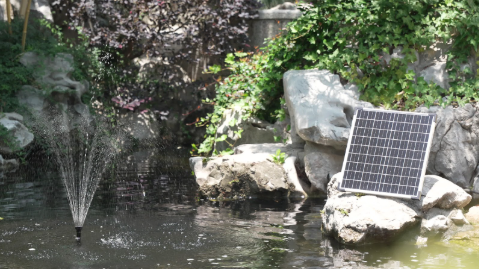
What makes Poposoap stand out in the world of waterfall pumps and pond filtration systems is its dedication to sustainability. Every product is designed for maximum efficiency and minimal energy use, with models that integrate seamlessly into solar-powered setups.
Key advantages include:
- Solar Compatibility: Many Poposoap pumps connect directly to solar panels, reducing carbon footprint and energy costs.
- Smart Filtration Integration: Designed to work flawlessly with mechanical and biological filters.
- Durability: Weatherproof, UV-resistant construction ensures long-term reliability.
- Eco Flow Technology: Optimizes water movement while minimizing energy consumption.
- Quiet Operation: Ideal for peaceful garden environments.
Enhancing Pond Filtration Naturally
While mechanical filters remove debris and waste, natural filtration plays an equally important role. By integrating Poposoap’s waterfall pumps with plants and natural rock formations, you can create a multi-layered filtration system that mimics real ecosystems.
- Aquatic Plants: Water lilies and reeds absorb excess nutrients, helping to starve algae.
- Rocks and Gravel: Provide surfaces for beneficial bacteria to grow, boosting biological filtration.
- Flow Design: A well-placed waterfall pump ensures water passes through these natural filters efficiently.
This hybrid approach—part technology, part nature—defines Poposoap’s philosophy of “smart sustainability.”
Maintenance Tips for Long-Term Clarity
To keep your pond looking and functioning at its best, regular maintenance is key. Fortunately, Poposoap products are designed for easy upkeep.
- Clean filter sponges and mechanical media monthly to prevent clogging.
- Inspect pump intakes to ensure continuous water flow.
- Trim plants and remove excess debris that could enter the system.
- Check oxygen levels in summer—adding extra circulation if needed.
- Store pumps indoors during freezing winters to protect components.
Real Results: Poposoap in Action
Across gardens, courtyards, and outdoor sanctuaries, Poposoap’s systems are transforming stagnant ponds into living, self-cleaning habitats. Their pumps deliver the steady motion that fuels every aspect of pond health—from oxygen balance to filtration efficiency. Whether you’re maintaining a koi pond or designing a tranquil waterfall retreat, Poposoap ensures clarity, sustainability, and serenity.
Conclusion: Flow Toward a Cleaner, Healthier Pond
Water is life—and movement keeps that life thriving. By combining waterfall pumps with effective pond filtration, you create a natural cycle that purifies, oxygenates, and beautifies your pond. With Poposoap’s cutting-edge engineering, this process becomes effortless, sustainable, and endlessly rewarding.
So let your pond flow—clear, balanced, and alive. With Poposoap’s eco-smart technology, every drop of water becomes part of a harmonious rhythm where clarity meets nature, powered by motion and guided by design.
Please visit my site, Kennwhitaker, for more details.