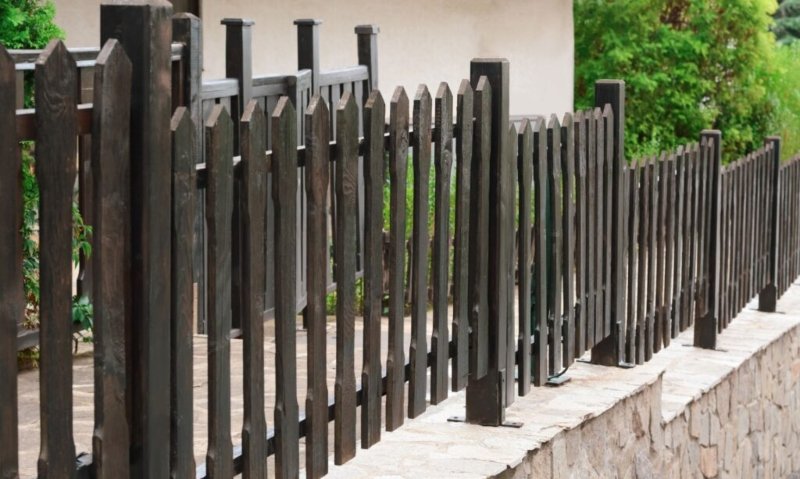
A fence is far more than a boundary marker. For homeowners in Christchurch, it’s a statement of style, a provider of privacy, a safe enclosure for children and pets, and a first line of defense against the region’s distinctive weather. Choosing and installing the right fence requires careful consideration of materials, local conditions, and regulations to ensure your investment is beautiful, functional, and built to last.
This guide walks you through the key factors for a successful fencing project in the Garden City, helping you make informed decisions from planning to completion.
Why Your Christchurch Fence Needs to Be Built for Purpose
Christchurch presents a unique environment that demands specific considerations for any outdoor structure. Unlike other regions, your fence must be engineered to handle:
- The Canterbury Weather: Known for its nor west winds, occasional heavy rainfall, and exposure to both coastal salt and inland frosts, Christchurch weather tests fencing materials to their limits. Durability and weather resistance are non-negotiable.
- Local Soil Conditions: Much of Christchurch is built on sandy, loamy, or clay-based soils, which can affect drainage and the stability of fence posts. Proper installation techniques and foundation depth are critical to prevent leaning or collapse over time.
- Aesthetic Harmony: From classic character homes in Fendalton to modern builds in Rolleston, your fence should complement your home’s architecture and the general streetscape, enhancing your property’s curb appeal.
Choosing the Right Material: A Comparison for Christchurch Homes
The material you choose will define your fence’s look, maintenance needs, lifespan, and cost. Here’s a breakdown of the most popular options suited to Christchurch conditions.
| Material | Best For | Key Advantages | Christchurch-Specific Considerations |
| Timber (Treated Pine or Hardwood) | A classic, natural look; high privacy; custom designs. | Versatile, can be stained/painted; good wind permeability if designed with gaps. | Requires regular staining/sealing to withstand sun and moisture; check timber is H4/H5 treated for ground contact. |
| ColorSteel® or Longrun Steel | Modern aesthetics, low-maintenance, and high durability. | Virtually no maintenance; resistant to rot and insects; excellent for wind. | Ensure powder-coated finish is high-quality to resist coastal salt spray; can be noisy in very strong winds. |
| Aluminium (Slat or Picket) | Sleek, contemporary style; zero rust; low upkeep. | Lightweight, strong, and completely rust-proof; often comes pre-finished. | Excellent for coastal areas; slat fences offer privacy with good wind flow. |
| Vinyl (PVC) | A clean, uniform appearance with the least maintenance. | Never needs painting; easy to clean; resistant to moisture and insects. | Can become brittle in prolonged frost if not a high-quality, UV-stabilized product. |
| Concrete Masonry | Ultimate privacy, security, and sound reduction; modern design. | Extremely durable and low-maintenance; provides excellent shelter. | Requires solid, level foundation due to weight; professional installation is essential. |
Key Considerations Before You Build
A successful fencing project requires more than choosing materials—good planning prevents costly problems later.
Know Your Boundaries: Hire a licensed surveyor to confirm boundary lines before installation. The Fencing Act 1978 outlines shared responsibilities with neighbours, so communicate early to avoid disputes.
Understand Council Rules: Christchurch City Council regulations may affect fence height, placement, and design—especially for front yards or heritage zones. A professional fencing company can help you navigate these requirements.
Plan for Access: Think about gate placement and width for vehicles, bins, or garden equipment. Choose strong, wind-resistant hardware to prevent sagging or damage.
Consider Long-Term Maintenance: Be honest about upkeep. Low-maintenance options like Colour Steel or Aluminium may cost more initially but save time and money compared to timber, which needs regular staining.
The Value of Professional Fencing Services
DIY fencing may appear cheaper, but Christchurch’s conditions make expert installation a smart investment.
Local Expertise: Professionals understand how to anchor posts in local soils to withstand wind and frost, keeping your fence straight and durable.
Regulation Compliance: They manage consents and ensure your fence meets council rules and the Fencing Act, giving you confidence that everything is done correctly.
High-Quality Workmanship: With the right tools and experience, a professional team delivers clean lines, secure fittings, and precise alignment.
Warranties: Reputable installers back their materials and workmanship, protecting your investment if issues arise.
Conclusion: Building a Foundation for Your Outdoor Space
Your fence is a long-term investment in your property’s privacy, security, and beauty. By selecting a material suited to Christchurch’s climate, planning for practicalities like access and maintenance, and understanding the local rules, you lay the groundwork for a perfect result.
For a structure that needs to stand strong against the Canterbury elements while enhancing your home, the expertise of a local specialist is invaluable. Consulting with experienced professionals in fencing christchurch nz ensures your project is handled with skill from start to finish, delivering a boundary you can trust for years to come. You Can Read Also: Metal Roof Reflective Surface