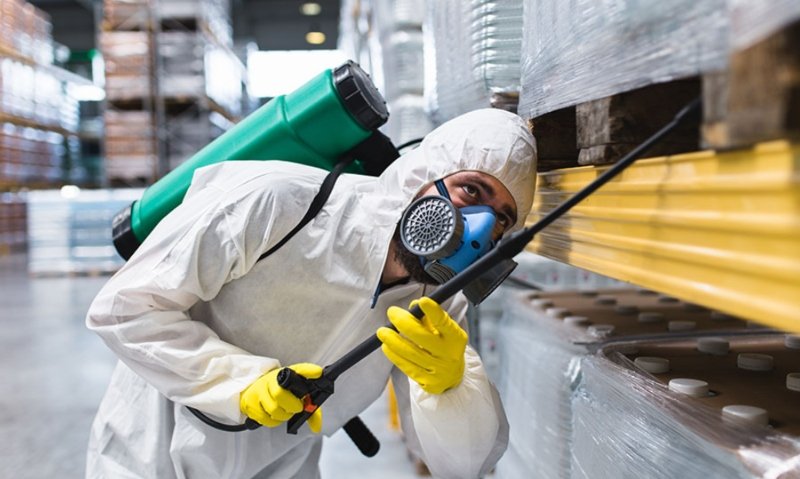
The question might seem reasonable at first glance. With advances in home sealing, public sanitation, and DIY store shelves packed with traps and sprays, one could assume the need for professional pest control is fading. However, the reality is quite the opposite. Rather than dying, the pest control industry is undergoing a significant and necessary evolution. It’s transforming from a reactive service focused on chemical sprays into a proactive, technology-driven, and science-based field essential for public health and property protection. The demand isn’t disappearing—it’s becoming more sophisticated.
Why the Need is Greater Than Ever
Several powerful trends are ensuring pest control remains a critical service:
- Climate Change and Globalization:Warmer temperatures expand the habitats and breeding seasons of many pests, like mosquitoes and ticks. Global trade accidentally introduces invasive species (like the Spotted Lanternfly) to new areas where they have no natural predators, creating sudden, severe infestations that require expert response.
- Increased Health Awareness:The public is more informed than ever about the serious health risks pests carry. From allergies and asthma triggered by cockroaches and rodents to the dangers of Lyme disease from ticks or West Nile virus from mosquitoes, pests are recognized as direct health threats, not just nuisances.
- Resistance to Chemicals:Pests are famously adaptable. Many have developed genetic resistance to common over-the-counter pesticides, making DIY efforts increasingly futile and strengthening the case for professional-grade solutions and rotating treatment strategies.
The Modern Shift: From Exterminator to Protector
The industry’s core mission is shifting, driven by consumer preference and environmental science. This is what modernization looks like:
- Integrated Pest Management (IPM):This is the new gold standard. IPM is a holistic strategy that prioritizes prevention, monitoring, and targeted intervention. It focuses on eliminating the conditions that attract pests—like moisture, food sources, and entry points—using chemicals only as a precise, last resort. This method is safer for families, pets, and the environment.
- The Rise of Smart Technology: Modern pest control is high-tech. Professionals now use:
- Remote monitoring devices: That use sensors and AI to detect pest activity 24/7 and alert technicians before an infestation grows.
- Data analytics: To predict seasonal pest pressures and target treatments more effectively.
- Green and Precision-Targeted Treatments: There’s a major move toward botanically derived insecticides, heat treatments, and baiting systems that specifically target the pest while minimizing environmental impact and exposure to non-target species.
“Full-Service” in the Modern Era: More Than Just Sprays
Today’s leading companies offer a full-service pest control partnership. This model represents the industry’s evolution from a one-time service to an ongoing protection plan. A comprehensive program typically includes:
| Service Component | Traditional Model | Modern, Full-Service Model |
| Approach | Reactive: “Call us when you see a bug.” | Proactive: Ongoing prevention and monitoring. |
| Inspection | Focused on immediate problem. | Thorough, whole-home assessment for risks and entry points. |
| Treatment | Blanket chemical application. | Integrated Pest Management (IPM): sanitation, exclusion, targeted materials. |
| Technology | Limited (basic traps). | Smart traps, remote monitors, digital service reports. |
| Communication | One-time visit report. | Digital portals, seasonal alerts, preventative tips. |
| Scope | Often limited to common insects. | Covers insects, rodents, wildlife, mosquitoes, and termites. |
Conclusion: An Industry Reborn, Not in Decline
So, is pest control a dying industry? The evidence points to a definitive no. It is an industry that is essential, evolving, and expanding. The companies that are thriving are those that have moved beyond the “exterminator” label to become protectors of public health, partners in home maintenance, and stewards of the environment.
The question for homeowners is no longer “Should I call a pest controller?” but “Which proactive, science-driven partner should I choose to protect my home?” The modern solution is a comprehensive plan that prevents problems before they start, leveraging knowledge and technology to offer peace of mind in a changing world. See Also: Mold Remediation and Indoor Air Quality