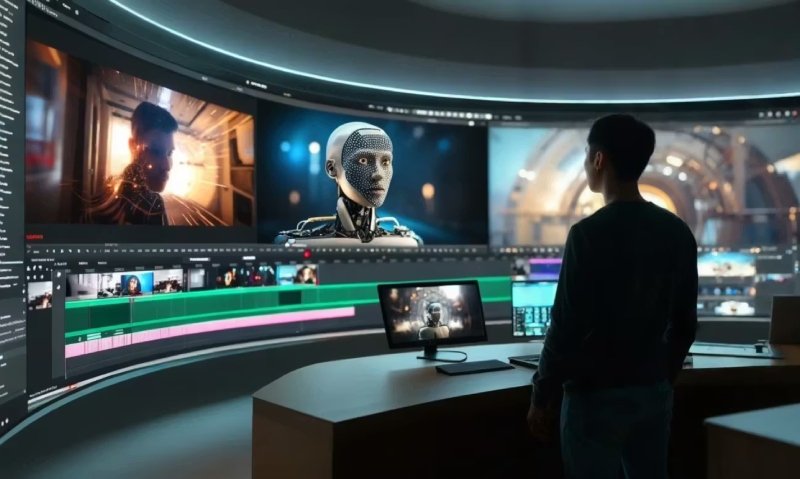
In a world where information moves across borders faster than ever, the ways we communicate continue to evolve. From instant messaging to real-time conferencing, technology keeps shrinking the distance between people. One of the most significant advancements in this movement is the rise of video translation and AI talking images—two innovations reshaping how we share stories, education, culture, and even business across languages.
These tools go beyond simple text translation. They recreate the tone, emotion, and visuals that make communication feel human. As a result, language barriers are not just reduced—they’re dissolving entirely.
The Shift Toward Visual Communication
Modern communication is increasingly visual. Social media feeds are dominated by videos, educational material is moving toward multimedia formats, and businesses rely on visual content to engage audiences. But with this global shift comes a challenge: how do you make visual content accessible to people who speak different languages?
Traditionally, creators relied on subtitles or dubbing. While effective, these methods sometimes fall short. Subtitles can clutter a video or distract from the action. Dubbing may feel out of sync or lose emotional nuance. This is where AI-powered video translation and talking images enter the picture, offering solutions that feel natural, accurate, and immersive.
Video Translation: Bringing Voices Across Borders
AI driven translate video tools analyze audio, convert it into text, translate it into another language, and then regenerate the translated voice—often in the same vocal tone as the original speaker. This means a teacher from Brazil can share a lesson that sounds like her, even when the audience hears it in Korean or English. A filmmaker can release a documentary that maintains its emotional resonance no matter the viewer’s language.
This technology benefits a wide range of industries:
- Education: Lectures and tutorials can instantly reach global learners. Students no longer depend on subtitles or risk misunderstanding complex topics.
- Entertainment: Movies, vlogs, and gaming content can be localized swiftly, eliminating production delays.
- Business: International companies can share announcements, training modules, and promotional videos without hiring translators for every market.
- Healthcare and government communication: Important public messages can be understood clearly by multilingual communities, promoting inclusivity and safety.
Video translation removes tedious layers of production and replaces them with speed, accuracy, and personalization. It gives creators the power to speak to nearly anyone, anywhere.
AI Talking Images: Turning Photos Into Dynamic Communicators
Another breakthrough in digital communication is the rise of AI talking images—photos or avatars that can speak, blink, and move as if they were alive. Using facial-animation algorithms, AI transforms a static picture into a dynamic storyteller.
This technology might sound futuristic, but it’s already being used in numerous creative and practical ways:
- Personal Messaging: Imagine sending a heartfelt birthday message through a childhood photo that now “talks.”
- Marketing: Brands can create interactive spokespeople without expensive video shoots.
- Education: Historical figures or scientific diagrams can come to life, engaging students in new ways.
- Accessibility: For individuals who cannot record audio or appear on video, AI talking images provide a voice—and a face—to communicate with others.
Perhaps the most compelling aspect is how realistic and expressive these talking images have become. They aren’t just moving lips; they capture expressions, pauses, and emotional cues that make communication feel natural and memorable.
The Fusion of Both: A New Era of Global Conversation
When video translation and AI talking photo combine, communication becomes almost limitless. Imagine uploading a photo, typing a message in your native language, and instantly generating a lifelike video that speaks another language with natural expression. This fusion allows anyone—even without recording equipment or language skills—to produce professional, multilingual content.
For businesses and creators, this means:
- No more expensive reshoots.
- No need for multilingual actors.
- Consistent branding and messaging across regions.
- The ability to test new markets in hours instead of months.
For everyday users, it means being able to share ideas across languages with just one click.
Ethical Considerations and Responsible Use
As with any powerful technology, there are ethical considerations. Video translation and talking image tools must be used responsibly to prevent impersonation, misinformation, or unauthorized use of someone’s likeness. Developers are now building safeguards such as watermarking, consent systems, and detection tools to ensure authenticity and transparency.
It’s important for users—whether individuals, brands, or institutions—to treat these technologies with respect, protecting privacy and using them ethically.
A Future Without Language Barriers
The integration of AI into communication is not about replacing human connection; it’s about improving it. Video translation and AI talking images help people tell their stories more clearly and share them with wider audiences. They foster understanding across cultures and make knowledge more accessible.
Ultimately, these technologies point toward a future where language is no longer a barrier but merely a detail—one that technology can effortlessly translate while keeping the human heart of the message intact.
You Can Also Read: 8 AI Video Hacks to Save Time and Money