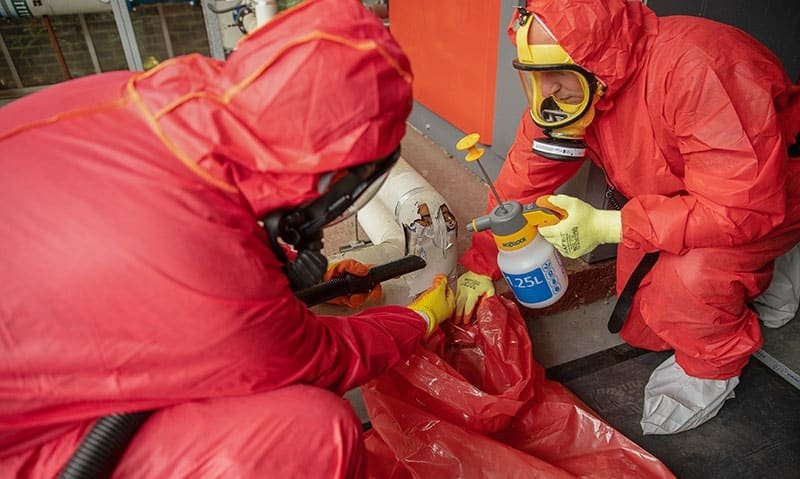
Asbestos is a hazardous material that still exists in many older Canadian homes and commercial buildings. When disturbed, it releases microscopic fibers that can lead to serious illnesses, including lung cancer and mesothelioma. This is why hiring a certified professional is essential whenever asbestos is suspected or confirmed. If you’re beginning your search, many homeowners start with a trusted service such as asbestos removal near me, which connects you to certified experts who understand local safety regulations and proper abatement procedures.
Asbestos removal is not a simple cleaning task; it requires specialized training, strict safety protocols, and compliance with Ontario’s hazardous materials laws. Choosing the right service is critical for protecting your health, the health of your family or employees, and the long-term safety of your property. Unfortunately, many people don’t know what qualifications to look for, how to compare companies, or what to expect from the removal process.
This in-depth guide explains the most important factors to consider when choosing an asbestos removal service, helping you make an informed, safe, and confident decision.
Why Professional Asbestos Removal Is Necessary
Asbestos was widely used before the 1990s due to its fire resistance, insulating ability, and durability. Common building materials that often contained asbestos include:
Popcorn ceilings and textured coatings
Floor tiles and adhesives
Pipe and boiler insulation
Drywall mud and plaster compounds
Roofing shingles and siding
Cement boards and panels
While asbestos is not dangerous when completely undisturbed, the risk appears when materials crack, crumble, or undergo renovation. Even drilling a small hole in drywall can release fibers.
Professional removal teams are trained to:
Identify asbestos-containing materials
Properly isolate contaminated areas
Use negative air machines and HEPA filtration
Safely remove and dispose of asbestos waste
Conduct air quality testing
Comply with provincial regulations and safety codes
Trying to remove asbestos yourself puts you and others at serious risk. Certified experts are the only safe choice.
Situations When You Should Call an Asbestos Specialist
Not every property owner knows when asbestos is present, and in many cases the danger is hidden until renovation begins. Here are common scenarios that require professional inspection or removal:
1. Renovating Older Homes
Any cutting, drilling, sanding, or demolition can disturb asbestos-containing materials.
2. Damaged Insulation
Old insulation around boilers, pipes, or furnaces can deteriorate, releasing fibers.
3. Water Damage
Flooding and leaks weaken materials, increasing the chance of contamination.
4. Crumbling Ceiling Texture
Many older popcorn ceilings contain asbestos and must be handled carefully.
5. Deteriorating Flooring
Vinyl tiles or the black adhesive underneath may contain asbestos.
If you see signs of deterioration, don’t disturb the material. Contact a certified removal team for a proper assessment.
How to Evaluate and Choose the Right Asbestos Removal Company
Selecting the right service matters for safety, compliance, and peace of mind. Here are the most important considerations.
1. Verify All Licenses and Certifications
The company must be fully certified to perform asbestos abatement in Ontario. Certification ensures technicians are trained in:
Fiber containment
Safe removal procedures
Air monitoring
Waste handling
Emergency response
Compliance with provincial law
Never hire a company that cannot provide proof of certification.
2. Look for Experience in Both Residential and Commercial Projects
Experienced companies understand the complexities of different building structures and materials. They know how to work efficiently while maintaining strict safety standards.
Signs of a well-established company include:
Years of industry experience
A strong portfolio of completed projects
Knowledge of local building codes
Ability to handle large commercial or industrial sites
Experience reduces the risk of mistakes and ensures proper containment.
3. Make Sure They Provide a Detailed Inspection
A legitimate asbestos contractor always starts with a professional inspection, including:
Sampling and laboratory testing
Identification of asbestos-containing materials
A written report outlining findings and recommendations
Avoid companies that suggest removal without proper testing.
4. Request a Transparent Written Quote
A trustworthy asbestos removal service provides a written estimate that details:
Step-by-step work plan
Equipment and safety measures
Containment procedures
Air testing methods
Disposal and cleanup processes
Total cost with no hidden fees
This level of transparency shows professionalism and reliability.
5. Confirm They Use Proper Safety Equipment
Certified removal specialists use advanced equipment including:
HEPA-filtered vacuums
Negative air machines
Protective suits and respirators
Sealed disposal containers
Decontamination chambers
This equipment is essential for preventing fiber release.
6. Ensure They Follow Proper Waste Disposal Procedures
Asbestos waste must be:
Double-bagged and sealed
Clearly labeled
Transported in approved vehicles
Disposed of at a government-authorized facility
The company should provide documentation showing proper disposal.
7. Review Their Online Reputation
Customer experiences provide valuable insight into reliability and professionalism. Look for reviews that mention:
Punctuality
Cleanliness
Safety practices
Communication
Fair pricing
A company with consistently positive feedback is a safer choice.
Why Choosing a Local Service Is Often the Best Decision
Local asbestos removal teams offer several advantages:
Faster response times
Ideal for emergencies like flooding or accidental fiber release.
Better knowledge of local regulations
Ontario has strict rules for asbestos removal—local experts work with these laws daily.
Lower costs for inspections and travel
No long-distance travel fees means more affordable service.
Most people begin by searching online for asbestos removal near me, which connects them directly to nearby certified professionals.
Understanding the Asbestos Removal Process
Knowing what to expect can make the experience less stressful. Here’s a typical step-by-step overview.
1. Consultation and Testing
Initial evaluation, sampling, and lab confirmation.
2. Project Planning
A detailed abatement plan is created.
3. Containment Setup
This includes sealing the area, installing plastic barriers, and using negative air machines.
4. Safe Material Removal
Technicians use wet removal methods and HEPA tools to prevent fiber release.
5. Cleanup and Air Filtration
Surfaces are wet-wiped and vacuumed.
6. Air Quality Testing
Ensures the area meets safe clearance levels.
7. Final Report
Documentation verifies that the property is safe for re-entry.
Top Mistakes to Avoid When Hiring a Removal Service
Even cautious homeowners can make errors. Avoid these common mistakes:
Choosing the cheapest quote (often unsafe shortcuts)
Hiring uncertified contractors
Not asking for documentation
Skipping the inspection step
Attempting DIY removal
Your safety depends on choosing a qualified professional.
Important Questions to Ask Before Hiring
Ask your contractor:
Are your technicians licensed and certified?
Will I receive a written estimate?
What safety gear will you use?
How do you handle waste disposal?
Do you offer air quality testing after removal?
Are you insured for asbestos-related work?
Can you share customer references?
A reputable company answers these without hesitation.
Final Thoughts
Choosing the right asbestos removal service is one of the most important decisions property owners can make. A certified, experienced, and transparent company will protect your health, ensure compliance with Ontario’s hazardous materials laws, and guarantee a safe environment for your family or employees. If you’re beginning your search for trustworthy professionals, a reliable starting point is asbestos removal near me, which connects you to certified specialists who follow the highest safety standards. You Can Also Read: Mold Remediation and Indoor Air Quality