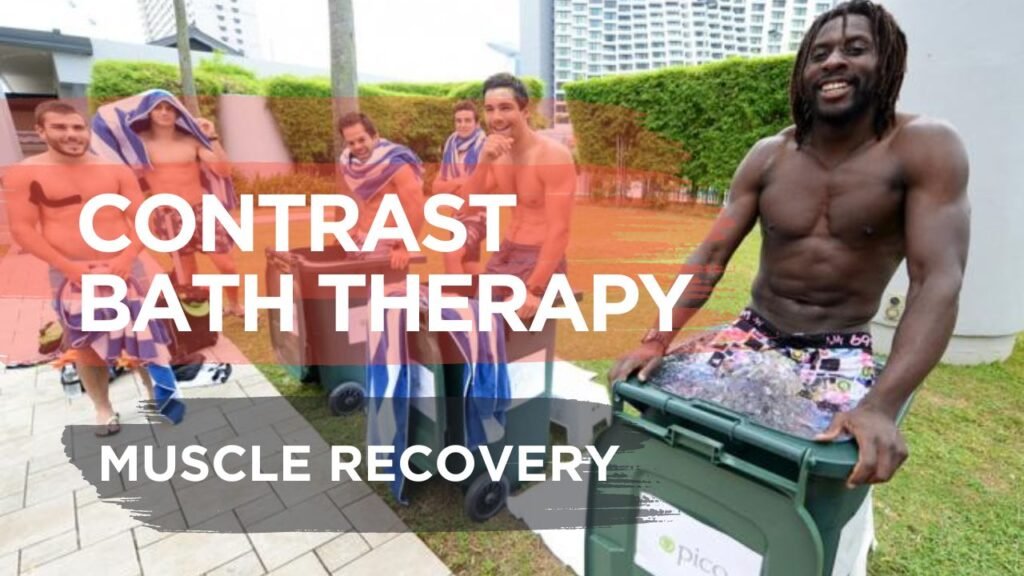
Muscle soreness is often seen as a badge of honour. After a hard workout, a long shift on your feet, or a physically demanding day, it’s common to feel stiff, tight, or fatigued. While rest is important, recovery doesn’t always mean doing nothing. In many cases, active recovery methods help the body bounce back more effectively.
Contrast therapy has become a popular option for people looking to support muscle recovery and overall performance. Used by athletes, wellness professionals, and everyday active people, it offers a structured way to help the body reset after physical stress—without complicated equipment or intense treatments.
What Contrast Therapy Actually Is
Contrast therapy involves alternating between hot and cold exposure. This might mean switching between warm and cold water, heat and cold rooms, or other controlled temperature changes.
The idea is simple: heat encourages blood flow and relaxation, while cold reduces inflammation and numbs soreness. Alternating between the two creates a pumping effect in the muscles and blood vessels.
You can think of it like flushing a system. In plumbing or mechanical maintenance, alternating pressure helps clear buildup. Contrast therapy applies a similar principle to the body—encouraging circulation and recovery through temperature changes.
Understanding how contrast baths work helps explain why this method has been used for decades in sports and physical therapy settings.
Why Muscles Respond Well to Temperature Changes
When muscles are worked hard, tiny stresses occur in the tissue. This is a normal part of building strength and endurance, but it also leads to inflammation and stiffness.
Heat helps muscles relax and improves circulation, delivering oxygen and nutrients to tired areas. Cold, on the other hand, helps reduce swelling and dulls pain.
Alternating between these two states encourages the body to move fluids more efficiently. It’s similar to how traffic flows better when lights are timed correctly—movement improves when conditions change in a controlled way.
This balance is why contrast therapy is often used after intense training, long workdays, or repetitive physical activity.
Recovery Isn’t Just for Athletes
While contrast therapy is popular in sports, its benefits aren’t limited to elite athletes.
People who stand for long hours, work in physically demanding roles, or maintain active lifestyles can all benefit from better recovery. Even desk workers who exercise before or after work often experience muscle tightness that affects sleep and comfort.
In manufacturing, regular maintenance keeps machines running smoothly. In office environments, ergonomic breaks prevent strain. The human body benefits from the same kind of routine care.
Contrast therapy offers a structured recovery practice that fits into modern, busy lifestyles.
Performance Benefits Beyond Soreness
Recovery directly affects performance. Muscles that recover well are more responsive, flexible, and ready for the next challenge.
When soreness lingers, people often compensate by altering their movement patterns. Over time, this can increase the risk of strain or injury. Supporting recovery helps maintain good movement quality.
In professional sports, recovery protocols are as important as training plans. In business and creative industries, rest improves focus and output. Performance improves when recovery is prioritised—not ignored.
Contrast therapy supports this balance by helping the body reset between efforts.
Mental Reset Through Physical Recovery
Physical recovery often brings mental clarity. When the body feels less tight and fatigued, the mind tends to follow.
The temperature shifts in contrast therapy also engage the nervous system, helping people feel more alert after cold exposure and more relaxed after heat. This alternating stimulation can be grounding and refreshing.
In mindfulness practices, sensory contrast is often used to bring awareness into the present moment. Contrast therapy creates a similar effect through physical sensation, helping people step out of mental fatigue.
This mental reset is one reason many people incorporate contrast therapy into wellness routines, not just training schedules.
How Contrast Therapy Fits Into Modern Wellness
Wellness today is about sustainability, not extremes. People are moving away from “push through at all costs” mindsets and toward practices that support long-term health.
Contrast therapy fits naturally into this shift. It doesn’t require intense effort, complex techniques, or long recovery periods. Instead, it supports the body’s natural processes.
This approach aligns with trends in preventive healthcare and recovery science, where small, consistent interventions lead to better outcomes over time.
Midway through building a balanced recovery routine, many people explore options like contrast therapy for muscle recovery to understand how structured temperature exposure can support both recovery and performance.
Consistency Matters More Than Duration
One of the most common misconceptions about recovery methods is that longer is always better. With contrast therapy, consistency tends to matter more than intensity or duration.
Short, regular sessions often provide more benefit than occasional, lengthy ones. This allows the body to adapt and respond without excessive stress.
You see this principle in many areas. Short daily walks are often more effective than sporadic, intense workouts. Regular maintenance prevents major repairs. Recovery works the same way.
Contrast therapy becomes most effective when it’s part of a routine rather than a one-off fix.
Supporting Injury Prevention and Longevity
Recovery isn’t just about feeling better today—it’s about staying active long-term.
Muscles that recover well are less prone to strain. Joints that move freely experience less wear. Supporting circulation and reducing lingering inflammation can help prevent overuse issues.
In occupational health, preventive measures reduce the risk of long-term injury. In sports science, recovery protocols protect careers. Contrast therapy supports longevity by helping the body handle repeated physical stress.
Listening to the Body During Recovery
One important aspect of contrast therapy—and recovery in general—is awareness.
Not every session needs to feel intense. Paying attention to how the body responds helps guide timing, temperature, and frequency.
In health coaching and physical therapy, listening to feedback is essential. Recovery methods should support the body rather than overwhelm it.
Contrast therapy offers flexibility, allowing people to adjust based on energy levels, soreness, and comfort.
Why Simple Methods Often Work Best
It’s easy to assume that recovery must involve complex tools or advanced technology. In reality, some of the most effective methods are simple and time-tested.
Contrast therapy doesn’t rely on novelty. It relies on basic physiological responses that the body has always used to adapt and recover.
This mirrors principles in design and engineering, where simple systems often outperform complicated ones over time.
By working with the body instead of against it, contrast therapy offers practical, accessible support for recovery and performance.
Final Thoughts: Recovery as Part of Performance
Contrast therapy isn’t about shortcuts or quick fixes. It’s about respecting the recovery process as part of performance—not something that happens after it.
By alternating heat and cold, contrast therapy supports circulation, eases muscle tension, and helps the body reset after physical effort. It benefits athletes, active individuals, and anyone whose daily life places demands on their body.
When recovery is treated as a priority rather than an afterthought, performance improves naturally. Contrast therapy offers a simple, structured way to support that balance—helping the body recover today so it’s ready for tomorrow.