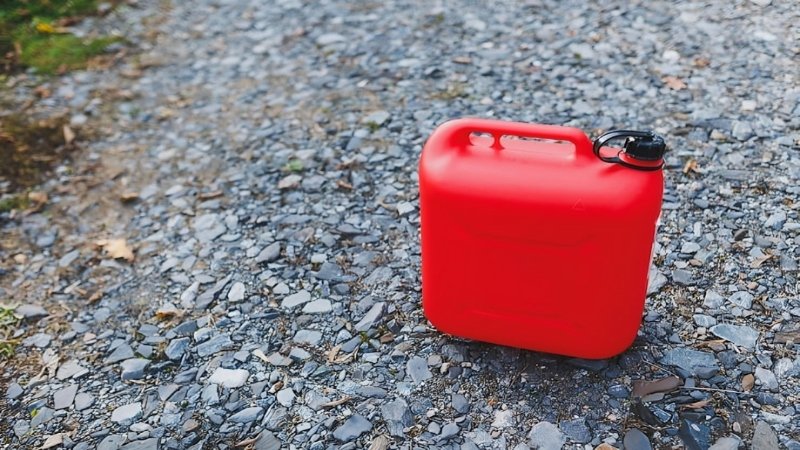
A jerry can fuel tank may look like a simple container, but its cost depends on more than just size. Material, capacity, design, and safety features all influence the final price. On average, a standard 20‑liter metal jerry can costs between $40 and $70, while high‑grade or stainless steel options often reach $80 or more. Plastic versions usually cost less but trade off some durability and long‑term strength.
Anyone who stores fuel for off‑road travel, emergencies, or outdoor work wants a tank that lasts and keeps fuel safe. A low upfront price can seem appealing, yet a stronger, safer model often saves money by lasting longer and preventing leaks. Therefore, understanding what factors drive cost helps buyers make smarter choices.
This article explains typical price ranges, shows how materials and design affect cost, and compares key features that influence overall value. It gives a clear picture of what to expect before deciding which jerry can fuel tank truly fits both budget and purpose.
Typical Jerry Can Fuel Tank Prices and Key Cost Factors
Prices differ depending on material, size, and extra features. Steel models often last longer but cost more, while plastic versions appeal to users who value lighter weight and affordability. Design details like locking caps, spout systems, and ergonomic handles can influence the final price noticeably.
Average Price Range for Jerry Cans
A standard 20-liter jerry can typically costs between $25 and $80, depending on build quality and features. Basic plastic versions, designed mainly for general use or short-term storage, usually sit at the lower end of the scale. In contrast, metal models used for long-term or outdoor purposes can reach higher prices due to thicker walls and anti-rust coatings.
An ergonomic jerry can fuel tank often includes triple handles and flexible spouts, which add comfort and convenience during transport or pouring. These design choices add a small premium, but they also reduce the risk of spills or accidents. Buyers should consider how frequently they expect to use the can before deciding on a price range.
Special coatings or seals can increase durability and prevent fuel contamination. Premium-grade steel cans, for example, cost more upfront but usually last longer, saving replacement costs in the long run.
Major Factors That Influence Cost
Material: Steel versions cost more than plastic ones because manufacturing requires welding and protective treatments. Plastic models remain cheaper yet still meet standard safety needs for everyday use.
Design and safety features: Airtight seals, locking spouts, and reinforced corners can raise the price by 10–20 percent. These features help prevent leaks and limit vapors, which adds value for storage in vehicles or garages.
Brand quality and compliance: Products meeting EPA or CARB standards are often priced higher due to testing and certification costs. Buyers pay for peace of mind knowing the can perform safely under pressure.
Availability and market demand: Seasonal trends can also affect cost. Prices may rise during summer travel periods when portable fuel storage sees more demand.
Capacity and Size Price Comparison
Jerry cans range from compact 5-liter models to large 25-liter containers. Smaller units often cost below $20, aimed at motorcycles or lawn tools. Mid-range 10–20 liter versions, the most common for cars and boats, usually fall between $30 and $70. Heavy-duty 25-liter or multi-pack sets can exceed $100, largely due to added metal weight and bulk shipping costs.
Larger capacity saves refueling time but increases storage space needs. Therefore, users should balance portability with the amount of fuel they require on hand. Steel models in larger sizes weigh more and can strain one person, while lighter plastic units trade durability for easier lifting.
Those seeking dependable everyday storage often settle on a 20-liter fuel can for its moderate size and better control during pouring or transport.
Comparing Features and Value Across Jerry Can Types
The cost and performance of a jerry fuel can depend on its material, nozzle design, build quality, and available accessories. Each factor influences long-term value, safety, and how practical the container feels in daily use. Buyers who understand these differences can make smarter choices for both price and durability.
Material Differences: Metal vs. Plastic
Metal gas cans often use steel with anti-corrosion coatings to protect against rust and weather. Their rigid construction resists impact and maintains shape under pressure, making them suitable for transporting fuel in rough conditions. These cans typically last longer but weigh more and can dent if dropped.
Plastic jerry cans use high-density polyethylene, which resists cracking and UV damage while weighing less. They usually cost less than steel models and never rust, although they can deform if exposed to heat or excessive pressure.
In terms of value, steel versions cost more upfront but can handle long-term storage and transport better. Plastic models suit drivers who need a lightweight container for everyday or recreational use. Buyers should also check safety ratings, such as EPA or CARB standards, before making a purchase.
Flexible Spout and Nozzle Options
A flexible spout system matters because it controls how easily fuel pours into a tank. Metal jerry cans often pair with a bayonet-style spout that locks securely and reduces spills. This setup provides a tight seal, lowering the chance of evaporation losses during transport.
Plastic jerry cans commonly include detachable or built-in spouts that bend to fit awkward fill angles. A high-quality flexible spout can make refueling safer and faster, especially for power tools or off-road vehicles.
Buyers should also look at venting mechanisms. A spout with a pressure relief feature helps fuel flow smoothly without gulping air. Though these parts may seem small, they directly affect user safety and fuel efficiency, which adds long-term value beyond price.
Brand, Quality, and Durability
Not every jerry fuel can meet the same standard of construction. Well-made metal models often use welded seams and powder-coated finishes that prevent corrosion. Some even include safety locks or double seals to stop leaks. Over time, these design choices justify the higher initial cost.
Plastic cans rely on heavy-duty molding and food-grade materials if intended for water storage. A strong handle and sturdy base can reduce stress on joints and prevent cracking under weight.
Durability depends on how carefully materials and fittings are chosen. While metal handles impact better, plastic versions resist temperature changes. Shoppers should weigh storage conditions and usage before deciding which type delivers better value.
Accessory and Replacement Part Costs
Accessories and spare parts affect long-term ownership costs. Replacement spouts, seals, and mounting brackets help extend a jerry can’s lifespan. Metal fuel cans often need gasket or cap replacements after years of use, while plastic versions may need new vents or hoses.
Additional add-ons, such as mounts for vehicles or wall brackets, also influence total expense. A secure bracket prevents movement, which reduces wear on seams or handles.
Choosing a model that supports standard-sized fittings can reduce costs over time. If parts match common accessories, future maintenance becomes simpler and cheaper. Owners who care for seals and fittings properly save money and maintain safety across repeated use.
Conclusion
A jerry can fuel tank costs more today due to higher material standards and added safety features. Government rules for vapor control and spill prevention increased production costs, which raised retail prices.
Metal cans usually cost more than plastic ones, but they last longer and handle heat better. Plastic cans are cheaper and lighter, yet they may need replacement sooner.
Consumers often pay between $50 and $150, depending on capacity, build quality, and brand reputation. Prices also rise for larger tanks or models that meet stricter transport requirements.
A buyer should weigh price against durability, safety, and usage needs. With careful choices, they can find a fuel container that balances cost and long-term value.
Please visit for more information blogs.