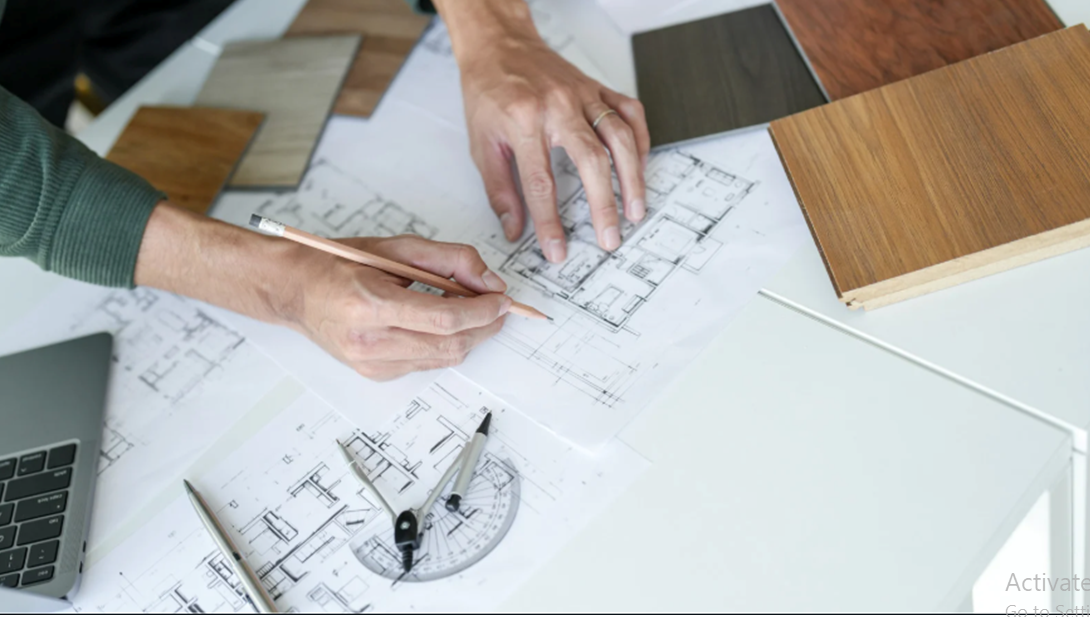
In the evolving landscape of modern workplaces, office building design must balance efficiency, comfort, and functionality. Achieving that balance requires expertise in spatial planning and energy management areas, where professional commercial architectsin Atlanta excel. Their role extends beyond creating visually appealing structures; they engineer environments that reduce energy consumption, optimize natural light, and enhance occupant productivity through strategic architectural solutions.
Integrating Energy Efficiency into Building Design
Commercial architects are responsible for designing spaces that perform efficiently from the ground up. They consider how a building’s orientation, layout, and structure influence temperature regulation and lighting. Through advanced planning, they leverage natural elements like sunlight and ventilation to minimize reliance on mechanical systems.
Every decision from window placement to material selection affects energy performance. Architects use high-insulation materials, reflective roofing, and glazing solutions to control heat gain and loss. By integrating these features at the design stage, they eliminate the need for costly retrofits and ensure that efficiency is built into the structure’s foundation.
Strategic Space Planning and Operational Efficiency
The configuration of an office directly impacts its energy demands. Efficient layouts allow for better airflow, more even lighting distribution, and reduced artificial energy use. Commercial architects design workspaces that facilitate natural illumination and temperature balance, reducing the burden on HVAC and electrical systems. Zoning strategies are another critical component. Architects segment areas based on their energy requirements, ensuring that spaces like meeting rooms, open offices, and break areas operate under appropriate conditions. This strategic design approach prevents waste and enhances operational cost savings over time.
Understanding what questions to ask before hiring a commercial architect can help businesses identify professionals with the right balance of creativity and technical precision. Evaluating experience, design philosophy, and prior project outcomes ensures that a firm’s architectural partner can deliver both aesthetic and performance excellence.
The Role of Technology in Energy-Efficient Design
Architects today rely on data-driven modeling and building information systems to forecast energy behavior before construction begins. These tools simulate temperature fluctuations, daylight exposure, and ventilation performance to optimize design decisions.
The inclusion of automated systems such as occupancy sensors, bright lighting, and advanced HVAC controls further improves energy management. Commercial architects collaborate with engineers to seamlessly integrate these technologies, creating intelligent buildings that respond dynamically to environmental and user conditions.
Additionally, architects incorporate adaptable spaces that can evolve with business needs. Modular design and flexible floor plans reduce the need for structural modifications, conserving materials and minimizing waste over a building’s lifecycle.
Enhancing Occupant Well-Being and Productivity
Energy-efficient offices are not only cost-effective but also conducive to better work performance. Proper lighting, air circulation, and acoustics directly influence employee comfort and concentration. Architects design layouts that balance open collaboration zones with quiet, private areas, ensuring productivity across different work styles.
By improving air quality and thermal comfort through efficient systems, architects contribute to healthier workplaces. These enhancements reduce fatigue and absenteeism, demonstrating how thoughtful design has tangible operational benefits.
Economic and Environmental Return on Investment
While efficiency-focused architecture requires careful planning and higher upfront precision, it delivers long-term savings through lower energy bills and maintenance costs. Building owners experience measurable reductions in operational expenses, while tenants benefit from enhanced usability and comfort. Furthermore, efficient office designs often increase property value. Modern businesses actively seek out spaces that reflect their commitment to innovation and fiscal responsibility, making architecturally optimized offices highly attractive in competitive markets.
Conclusion
Commercial architects are indispensable in advancing energy-efficient office design. Their expertise merges creativity with technical knowledge, producing structures that are visually compelling, cost-efficient, and performance-driven. Through strategic planning, innovative technology, and a focus on long-term efficiency, they help businesses create workspaces that are both forward-thinking and built to endure. See Also: How HVAC Choices Change a Home’s Emergency Playbook