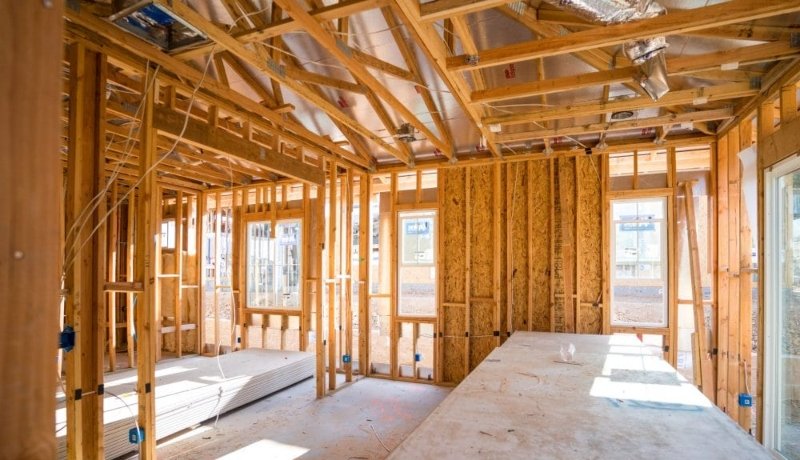
Building a custom home is one of those rare opportunities in life where you get to start with a blank page. Instead of adapting to someone else’s design choices, you shape a home around how you actually live—your routines, your priorities, and your future plans. At the same time, custom home construction can feel complex, especially if you’ve never been through the process before.
The key to a positive experience isn’t knowing everything upfront. It’s understanding the journey well enough to make confident decisions along the way. With the right preparation and expectations, custom home construction becomes less overwhelming and far more rewarding.
Starting with the Right Foundations—Before Building Begins
Long before any concrete is poured, the real work of a custom home begins with planning. This stage is about aligning your vision with practical realities such as land conditions, budget, and local regulations.
A helpful way to think about this phase is like planning a long trip. You may know your destination, but you still need to map the route, check fuel stops, and prepare for unexpected detours. In construction, this means understanding your block, council requirements, and how your lifestyle translates into design.
Ask yourself practical questions early. How many bedrooms do you need now—and in ten years? Do you work from home? How important is outdoor space? These answers help guide layout and design decisions that support everyday living, not just first impressions.
This stage often includes initial drawings and estimates. These aren’t final commitments; they’re conversation tools. Spending time refining plans now helps avoid costly changes later, when adjustments are harder to make.
Budgeting, Timelines, and Realistic Expectations
One of the biggest concerns homeowners have about custom home construction is cost. While budgets are important, clarity matters even more. A well-planned budget isn’t just a number—it’s a framework that helps you make informed choices.
Custom homes allow flexibility, but every choice has an impact. Materials, finishes, structural complexity, and site conditions all influence cost. Understanding where your money goes helps you prioritise what matters most. It’s similar to planning a wedding or launching a business—focusing resources on what delivers the most value makes the experience far more satisfying.
Timelines are another common source of stress. Custom homes take time, and delays can happen due to weather, approvals, or supply issues. Knowing this upfront makes it easier to plan work schedules, schooling, and temporary living arrangements.
In many industries, from manufacturing to software development, realistic timelines improve outcomes. Construction is no different. According to project management principles, clear scope and expectations early in a project reduce risk and improve long-term success.
Designing for Real Life, Not Just the Display Home Look
One of the greatest advantages of building custom is the ability to design for how you truly live. While display homes can be inspiring, they don’t always reflect real-world needs.
During the design phase, it helps to observe your current habits. Where do shoes pile up? Which rooms get the most use? Where do you wish there were more storage, light, or privacy? These everyday observations often lead to the most practical design choices.
This approach is similar to user-focused design in other industries. Products that succeed aren’t just attractive—they’re intuitive and functional. Homes work the same way. A well-designed home supports daily routines effortlessly.
Energy efficiency is another important consideration. Orientation, insulation, ventilation, and window placement all affect comfort and long-term running costs. Thoughtful design decisions now can significantly reduce energy use and improve comfort over time.
In the middle to later stages of planning, many homeowners researching custom home construction Brisbane look for guidance that helps bridge the gap between inspiration and practical execution—so ideas translate smoothly into livable spaces.
The Build Phase and Staying Confident Along the Way
Once construction begins, the process becomes more tangible—and emotional. Progress happens in stages, and it’s normal for some weeks to feel quiet while others move quickly.
Clear communication during this phase is essential. Knowing what stage the build is at, what’s coming next, and who to contact with questions helps homeowners stay connected and confident. Much like working with a project manager in any field, transparency builds trust.
Challenges can arise, but they don’t signal failure. Construction involves many moving parts, and problem-solving is part of the process. What matters is how issues are handled—calmly, clearly, and with your goals in mind.
As the home nears completion, walkthroughs help ensure everything meets expectations. This stage is about fine-tuning and quality assurance, ensuring the finished home reflects the plan you worked so hard to create.
Life After Move-In: The Real Reward of Building Custom
The true value of custom home construction often becomes clear after you move in. Spaces flow better. Storage is where you need it. Light, privacy, and comfort feel intentional rather than accidental.
Over time, homeowners often realise that custom building isn’t just about aesthetics—it’s about how a home supports daily life. Fewer compromises mean less frustration and more enjoyment.
Just as investing in well-designed systems or professional services in other industries pays off in the long run, thoughtful planning does too. A custom home built with clarity and care adapts as life changes, providing comfort and confidence for years to come.
Final Thoughts
Custom home construction doesn’t have to feel intimidating. When approached with realistic expectations, clear communication, and thoughtful planning, it becomes a structured and rewarding journey.
By focusing on real-world needs, budgeting wisely, and staying engaged throughout the process, homeowners can move forward with confidence. The result isn’t just a house—it’s a home designed around the way you live, now and into the future. See Also: Building Process with a Warkworth Builder