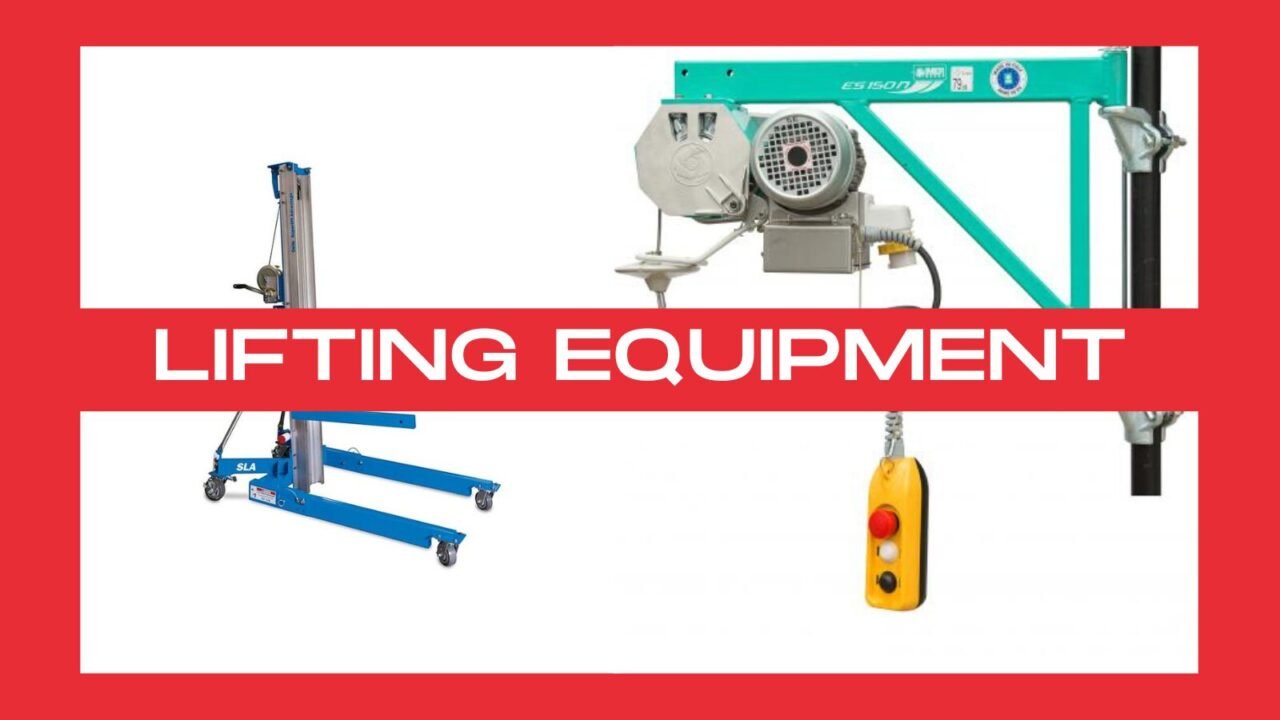
Lifting equipment is an integral part of various industries, enhancing productivity and ensuring safety when moving heavy objects. In workplaces like warehouses, construction sites, and manufacturing facilities, the right lifting tools can make a significant difference. They simplify complex tasks, reduce the risk of injury, and increase operational efficiency. Understanding the various types of lifting equipment available and their specific functionalities is crucial for making informed decisions, whether you’re in charge of equipment selection or working as part of a manual handling team.
This article outlines seven essential lifting equipment options, explaining when and why each should be used. Before diving into the specifics, it’s important to note that using lifting equipment correctly is vital for maintaining workplace safety and adhering to regulations.
For comprehensive solutions and a wide range of Material Handling equipment, check out Verdex.
1. Manual Hand Trucks
Manual hand trucks, also known as dollies, are among the simplest yet most effective lifting tools available. These are designed primarily for transporting heavy loads over short distances. They typically feature two wheels, a handle, and a platform where items can be placed. Hand trucks are particularly useful in environments like retail stores and warehouses for moving boxes or equipment.
When using manual hand trucks, it’s essential to ensure the load is balanced and within the weight capacity of the device to prevent accidents. They are best suited for moderate weight loads, generally under 500 pounds, making them ideal for smaller tasks that don’t require extensive lifting. If you need to move larger or heavier items frequently, consider other lifting options as you might not achieve the efficiency you’re aiming for.
2. Pallet Jacks
Pallet jacks are vital for industries dealing with pallets of goods. They can lift and transport pallets easily, making them indispensable in warehouses and distribution centers. A pallet jack typically features two forks that slide under the pallet and a hydraulic lift system to elevate it off the ground.
These tools are perfect for handling standard pallet sizes, enabling quick and efficient transportation. They come in manual or electric models, with the latter offering less physical exertion during operation. Using a pallet jack is most appropriate when dealing with stacked items on pallets, as they provide an efficient means of moving multiple items at once, reducing time and effort significantly.
3. Forklifts
When lifting heavy materials, forklifts are often the go-to option. These machines are capable of lifting thousands of pounds, making them essential for construction sites and manufacturing plants. A forklift can transport heavy goods, reach high shelves, and enhance productivity in scenarios requiring substantial lifting power.
Forklifts come in various types, including electric and gas, and can be equipped with different attachments to cater to specific materials or tasks. While they’re highly versatile, proper training is crucial for operators to ensure safe handling and compliance with labor regulations. Forklifts should be used when lifting and moving heavy goods over longer distances or higher elevations, where manual labor would be insufficient and potentially hazardous.
4. Lifting Hoists
Lifting hoists are specialized equipment used to raise or lower heavy objects vertically. They work by utilizing a motor and pulley system, allowing for precise lifting. These devices are ideal for construction sites, utility work, and manufacturing where overhead lifts are frequently required.
Lifting hoists come in manual and electric variants, depending on the weight and nature of the work. Electric hoists are particularly advantageous for heavy loads and can significantly reduce the time required for lifting tasks. These should be employed when tasks involve heavy items that need to be hoisted to considerable heights safely and efficiently.
5. Scissor Lifts
Scissor lifts are designed for vertical lifting, providing a stable platform for workers to perform tasks at various heights. These devices can be used both indoors and outdoors and are particularly effective for maintenance work in buildings, construction sites, and warehouses.
A unique feature of scissor lifts is their ability to extend vertically without taking up much ground space. This makes them suitable for tasks that require accessing high areas while maintaining worker safety. Scissor lifts should be employed when working at heights where ladder use might be insufficient, providing a safer and more stable working environment.
6. Crane Systems
Crane systems are essential in scenarios where heavy items need to be lifted and moved over significant distances. They come in various types, including mobile, tower, and overhead cranes, providing flexibility based on project needs.
Cranes are particularly useful in construction sites, warehouses, and shipping ports. They offer the ability to lift and transport large loads that wouldn’t be manageable with smaller machinery. It’s advisable to use crane systems only when heavy lifting is required across larger spans or heights, as they can handle a variety of loads that other equipment cannot.
7. Winches
Winches are devices used to wind cable or rope for lifting or hauling loads. Essentially, they convert rotational movement into linear motion, enabling operators to control heavy equipment safely. Winches are particularly useful in outdoor settings, such as construction or mining operations, for lifting equipment and materials.
These devices come in manual or powered configurations and can be employed in various situations, from basic lifting tasks to more complex pulling operations. Winches should be used when the lifting scenario involves moving large or heavy objects over a flat or inclined surface, providing a robust solution for challenging lifting tasks.
Frequently Asked Questions (FAQs)
What should I consider when selecting lifting equipment?
When selecting lifting equipment, consider the weight of the load, the height to be lifted, the type of material being moved, and the specific conditions of the workplace, including space constraints and safety regulations.
How can I ensure workplace safety while using lifting equipment?
Follow safety guidelines, ensure all operators are trained, regularly inspect equipment, and use appropriate protective gear. Always follow manufacturer instructions and ensure that loads are within the equipment’s capacity.
Are manual lifting devices safe to use?
Yes, manual lifting devices can be safe when used correctly. Ensure proper lifting techniques and that the load does not exceed the device’s capacity. Implementing safety protocols is essential.
What is the difference between manual and electric lifting equipment?
Manual equipment requires physical effort to operate, while electric equipment uses motors for lifting, making them more efficient for heavy loads. Electric options are often preferred for higher weights or frequent use.
Can I use lifting equipment indoors and outdoors?
Many lifting devices can be used in both environments, but ensure they are suitable for the specific conditions. For example, certain models may be designed for indoor use only, while others are more versatile.
Conclusion
Understanding the various types of lifting equipment available is essential for maximizing efficiency and ensuring safety in the workplace. From manual hand trucks for lighter loads to cranes and hoists for heavy-duty tasks, each piece of equipment serves a specific purpose in optimizing operations. Employing the right lifting option not only contributes to improved productivity but also minimizes the risk of workplace injuries.
Investing in high-quality equipment is crucial for achieving long-term results. Always prioritize safety and proper training when using lifting equipment. For comprehensive solutions tailored to your specific needs, including all types of Material Handling equipment, consider exploring the diverse offerings at Verdex. By choosing the right tools and adhering to safety protocols, you’ll create a work environment that is both efficient and secure.