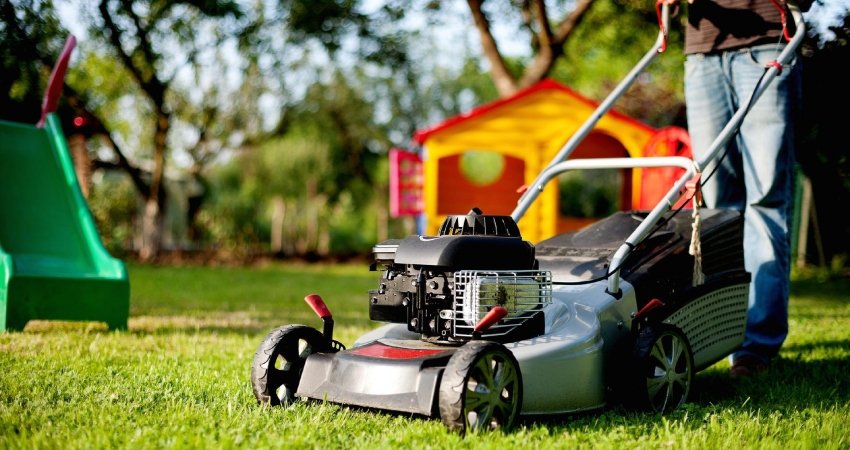
Maintaining a lush, healthy lawn in Charleston requires a clear understanding of local climate conditions, soil composition, and seasonal changes. Coastal humidity, sandy soils, and fluctuating temperatures all impact turf health throughout the year. Homeowners who rely on professional lawn care services such as Yard Art Landscaping can benefit from structured maintenance plans designed specifically for Charleston and surrounding communities.
Understanding Charleston’s Lawn Care Environment
Charleston’s subtropical climate supports rapid grass growth, but it also creates ideal conditions for weeds, pests, and lawn diseases. Without a proactive lawn care strategy, turf can quickly become thin, patchy, or discolored.
Common regional challenges include excessive moisture retention, nutrient-poor soils, and aggressive weed growth during warmer months. Addressing these issues early helps maintain consistent lawn quality and reduces long-term repair costs.
Essential Lawn Maintenance Practices
Routine lawn maintenance is the foundation of any effective landscaping plan. Neglecting basic care often leads to uneven growth and weak root systems.
Proper Mowing Techniques
Different grass varieties common in Charleston—such as Bermuda, Zoysia, and St. Augustine—require specific mowing heights. Cutting grass too short stresses the turf and exposes soil to weeds and heat damage.
Best practices include:
Mowing frequently during peak growth seasons
Avoiding removal of more than one-third of the grass blade
Using sharp mower blades to prevent tearing
Edging and Trimming
Regular edging around sidewalks, driveways, and landscape beds improves curb appeal while preventing grass overgrowth into planted areas. Trimming around trees and fences also discourages pests and fungal buildup.
Soil Health and Fertilization
Healthy lawns start with healthy soil. Many Charleston lawns suffer from compacted or nutrient-deficient soil, which limits root development.
Soil Testing and Improvement
Professional soil testing identifies nutrient deficiencies and pH imbalances. Organic matter, compost, or soil conditioners are often recommended to improve moisture retention and nutrient availability.
Fertilization Timing
Applying fertilizer at the right time prevents excessive growth and strengthens turf resilience. A balanced fertilization plan typically includes:
Spring nutrient activation
Summer stress support
Fall root-strengthening treatments
Weed Control Solutions
Weeds compete with grass for sunlight, water, and nutrients. In Charleston’s warm climate, they can spread quickly if left untreated.
Pre-Emergent Weed Prevention
Pre-emergent applications stop weed seeds from germinating and are most effective in early spring and fall.
Targeted Post-Emergent Treatments
Once weeds appear, targeted treatments eliminate unwanted growth without harming healthy grass. Spot treatments are preferred for maintaining lawn balance.
Seasonal Lawn Care Treatments
Seasonal services ensure lawns receive the correct care at each stage of growth.
Spring Lawn Preparation
Spring treatments often include:
Debris removal
Aeration
Fertilization and weed prevention
Summer Lawn Protection
High heat and humidity place stress on turf. Proper irrigation, disease monitoring, and controlled fertilization help lawns withstand summer conditions.
Fall Lawn Recovery
Fall is ideal for aeration, overseeding (when appropriate), and soil conditioning to prepare lawns for cooler temperatures.
Winter Lawn Maintenance
Although growth slows in winter, clearing debris and monitoring drainage helps prevent disease and ensures a strong spring recovery.
Aeration and Overseeding Benefits
Soil compaction restricts air, water, and nutrient flow. Core aeration relieves compaction and improves overall lawn health. When combined with overseeding, it can significantly increase turf density and durability.
Efficient Irrigation and Drainage
Water management is critical in coastal regions.
Deep, infrequent watering encourages deeper root growth
Smart irrigation systems prevent overwatering
Drainage solutions such as grading and French drains reduce standing water
Proper water control protects turf from root rot and fungal diseases.
Custom Landscaping Design for Charleston Properties
Beyond lawn maintenance, professional landscaping enhances outdoor functionality and visual appeal.
Plant Selection and Layout
Native and drought-tolerant plants thrive in Charleston’s environment and require less maintenance. Strategic placement improves drainage, sunlight exposure, and long-term sustainability.
Hardscaping Features
Patios, walkways, retaining walls, and outdoor seating areas add structure and usability while complementing lawn spaces.
Residential and Commercial Lawn Care
Both homeowners and businesses benefit from consistent landscaping services.
Residential services focus on curb appeal and outdoor comfort
Commercial services prioritize property presentation and brand image
Routine maintenance ensures properties look professional year-round.
Long-Term Lawn Care Planning
Successful lawns are maintained through long-term planning rather than short-term fixes. Annual evaluations, seasonal treatments, and soil monitoring help lawns remain resilient and attractive despite changing weather conditions.
Conclusion
Achieving and maintaining a healthy lawn in Charleston requires consistent care, seasonal planning, and a strong understanding of local conditions. From lawn maintenance and fertilization to irrigation management and custom landscaping, professional services simplify the process and deliver lasting results. Homeowners and property managers who partner with trusted providers such as lawncareservicecharleston.com gain healthier lawns, improved curb appeal, and outdoor spaces designed to thrive in Charleston’s unique climate