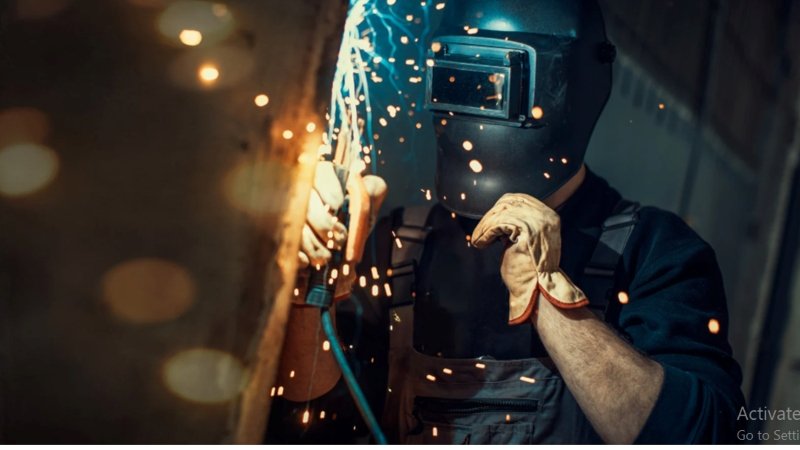
Welding is one of the most critical industrial processes, yet it is also one of the most hazardous when proper air control is not in place. Extensive facilities often deal with significant amounts of airborne metal fumes, smoke, and fine particulates that spread rapidly across open spaces. As these contaminants accumulate, they can compromise worker comfort and overall productivity. Implementing a large room welding ventilation system is essential in ensuring a safer and more controlled environment, and understanding its role helps facilities make informed decisions. This topic also closely connects to broader air control solutions, such as the use of a smoke extractor during welding, which further enhances long-term worker protection.
Proper ventilation in large spaces requires more than opening doors or relying on general airflow. Welding tasks produce fumes containing metal particles that can linger without specialized capture systems. This makes enhanced ventilation a critical part of maintaining safer work conditions.
The Importance of Air Movement in Large Welding Areas
Ventilation inside a large welding area determines how effectively harmful fumes are handled. Large rooms present challenges because contaminants spread quickly when not captured at the source. Since welding fumes rise and drift through open spaces, relying only on basic airflow can leave workers exposed throughout the facility.
A facility requires strong and consistent airflow patterns that guide fumes away from people. This is where advanced ventilation systems become essential. These systems do not operate as simple fans but instead use engineered airflow to collect and filter contaminants in real time. Additional solutions, including integrating a smoke extractor for welding within the workflow, can also help professionals maintain much safer air conditions across multiple stations.
Modern large room ventilation technology focuses on capturing fumes as early as possible. When pollutants are removed quickly, the entire work environment becomes more manageable and more comfortable for ongoing tasks.
How a Dedicated Ventilation System Enhances Worker Safety
Creating a safer welding environment begins with understanding how fumes behave. Welding fumes are produced immediately at the arc, and without proper ventilation, they remain suspended in open areas for long periods. A dedicated system draws these contaminants away from workstations before they spread.
Professional ventilation setups use controlled airflow, filtration units, and strategically placed intakes to ensure reliable performance. This reduces exposure to airborne particles from materials such as steel, aluminum, and other alloys. Improved handling of fumes also reduces eye irritation and breathing discomfort, contributing to greater comfort for welders working extended hours. For facilities evaluating long-term safety improvements, reviewing studies such as TEKA vs. traditional ventilation can help highlight the role of source capture.
Why Every Facility Benefits From a Large Room System
Any facility that performs regular welding tasks can benefit from enhanced ventilation. Larger spaces require specialized equipment to circulate and filter high volumes of air. A dedicated system improves overall working conditions for every station, not just the ones near the welding operations.
Furthermore, these systems support welding operations that involve multiple workers, various metals, and continuous production schedules. Highly active facilities cannot risk fumes staying in the air for long periods, making ventilation a necessary part of workplace planning. A properly configured system also provides a more consistent environment. Workers can move freely without encountering unexpected pockets of smoke or airborne particles. This translates to better operational efficiency and better long-term facility management.
Conclusion
A large room with a welding ventilation system is essential for maintaining a safer and more controlled work environment. Large areas require specialized airflow and advanced fume handling to ensure that contaminants are removed before they spread. By integrating strong ventilation and additional solutions such as a smoke extractor for welding, facilities create a cleaner space that supports worker comfort, productivity, and long-term air management. You Can Also Read: Phoenix Technicians Advise Before Replacing Your Heater