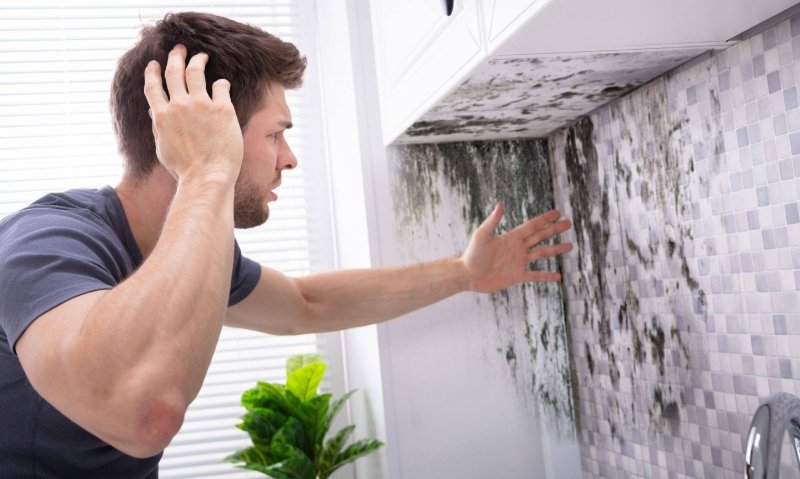
Living in Middletown offers a wonderful blend of community and history. However, the local climate—with its humid summers and damp springs—can create an unwanted challenge for homeowners: mold. Discovering mold in your home is unsettling, and understanding the proper way to address it is crucial for your property’s integrity and your family’s health.
This guide walks you through what Middletown residents need to know about mold, the professional remediation process, and why expert intervention is often the safest, most effective solution.
Why Mold Finds a Home in Middletown
Mold is a natural part of the environment, but it becomes a problem indoors. It only needs a few simple conditions to thrive: organic material (like wood, drywall, or dust), oxygen, and most importantly, moisture. Common sources in our area include:
- Basement and crawl space dampness, especially in older homes.
- Plumbing leaksbehind walls or under sinks.
- Poor ventilationin bathrooms, kitchens, and laundry rooms.
- Roof leaksor compromised siding that lets water in.
- Past floodingthat wasn’t dried out completely and quickly.
Understanding the Health Risks: More Than Just a Nuisance
Mold growth is a sign of a moisture problem, and its presence can impact indoor air quality. For many, exposure to mold spores can trigger allergic reactions such as sneezing, itchy eyes, a runny nose, and skin irritation. Individuals with asthma or other respiratory conditions may experience worsened symptoms.
It is important for homeowners to understand the specific black mold risks. Certain types of mold, often referred to as “toxic mold” or “black mold” (like Stachybotrys chartarum), can produce mycotoxins. Prolonged exposure in an indoor environment can lead to more severe health effects, including persistent headaches, fatigue, and respiratory distress. This is why professional assessment and safe removal are critical.
The Professional Mold Remediation Process
Professional mold remediation uses a systematic, multi-step process to remove mold safely, fix moisture sources, and fully restore your home. Here’s what you can expect from a certified service:
- Inspection and Assessment:A certified professional will conduct a thorough inspection of your home, often using tools like moisture meters and thermal imaging cameras to find hidden mold and identify all sources of moisture.
- Containment: The remediation team seals off the work area with plastic sheeting to stop mold spores from spreading, then uses negative air machines and HEPA scrubbers to filter them from the air.
- Safe Removal and Cleaning: The remediation team removes and disposes of any contaminated porous materials, such as mold-damaged drywall or insulation, then cleans all remaining surfaces with EPA-approved antimicrobial solutions.
- Drying and Dehumidification: The area is dried completely using industrial-grade dehumidifiers and air movers. Ensuring materials are dry is essential to prevent mold from returning.
- Verification and Restoration:A final inspection, sometimes including post-remediation testing, ensures the mold has been removed and spore counts are back to normal levels. The final step is repairing and restoring any areas affected by the removal process.
Why DIY Mold Removal Often Falls Short
While it may be tempting to tackle a small patch of mold with bleach from the grocery store, this approach has significant drawbacks:
- Surface-Only Treatment:Bleach and household cleaners often only remove the visible stain, leaving the root structure of the mold intact.
- Missed Contamination:Without proper tools and training, it’s easy to miss hidden mold growth in walls, attics, or under flooring.
- Health Exposure:Disturbing mold without proper containment and personal protective equipment (PPE) can expose you and your family to a high concentration of spores.
- Ignored Source:A professional focuses on finding and fixing the cause of the mold (the moisture issue), which DIY methods typically overlook.
Protecting Your Middletown Home
The best mold strategy is prevention. Control moisture by:
- Fixing leaks within 24-48 hours.
- Ensuring bathrooms and kitchens are well-ventilated.
- Using a dehumidifier in damp basements.
- Keeping gutters clean and directing downspouts away from your foundation.
If you discover or suspect mold larger than a few square feet, getting a professional assessment is the safest step. Certified remediators use proper training, equipment, and protocols to ensure your home becomes truly clean, dry, healthy, and safe again. See Also: Homeowner’s Guide to a Successful Bathroom Remodel