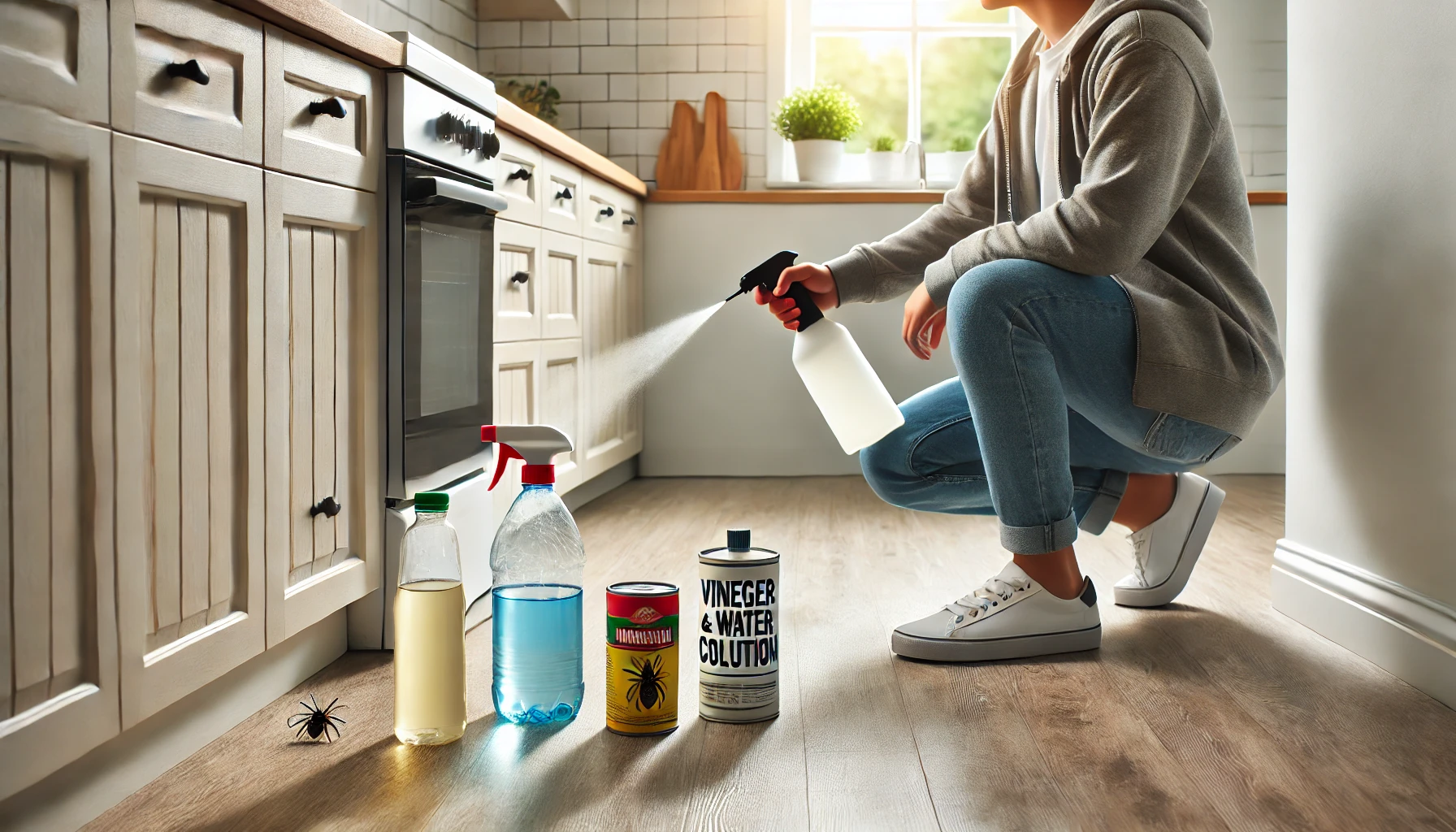
Keeping a home comfortable, safe, and clean is something most of us take seriously. Yet, one challenge can sneak up on even the most organised households: pests. Whether it’s ants lining up across your kitchen bench like it’s a morning parade, or a mysterious scratching in the roof that makes you question every scary movie you’ve ever watched, pests have a way of showing up at the wrong time.
Luckily, pest control doesn’t always require complicated tools or harsh chemicals. Many effective strategies come down to simple habits, awareness, and a little bit of prevention. Think of it like caring for a car, garden, or even your health—routine maintenance often stops the biggest problems before they start.
Below are practical, easy-to-follow tips that every homeowner can use to keep pests from making themselves too comfortable.
Start With Prevention: A Clean and Clutter-Free Home Matters
If there’s one rule that applies to nearly every kind of pest—from ants to cockroaches to rodents—it’s that food and shelter attract guests. And unlike human guests, these ones don’t know when to leave.
Keeping your home clean doesn’t mean spotless or magazine-worthy. It simply means removing the things pests love most: crumbs, moisture, and clutter.
Here are small habits that make a big difference:
- Wipe down counters daily. Even tiny crumbs are enough to attract ants or roaches.
- Take out the trash regularly. Food scraps and packaging are pest magnets.
- Store pantry items in sealed containers. This includes rice, cereals, sugar, and pet food.
- Reduce clutter. Boxes, unused clothes, and paper piles are perfect hiding spots for insects and rodents.
It’s similar to how restaurants structure their back-of-house systems: cleanliness equals control. A tidy workspace keeps food-safe environments healthy, and the same idea applies at home.
Seal the Gaps That Invite Pests Inside
Most pests don’t magically appear—they enter through tiny openings we often don’t notice. A small crack in the wall, a gap under a door, or an unsealed pipe can function like a “welcome” sign.
A good way to think about your home is like a secure facility or factory floor: if there’s a gap in the perimeter, something will get through eventually.
Here are some simple fixes that make a huge impact:
- Inspect doors and windows. Replace worn weather stripping or install door sweeps.
- Check walls and baseboards. Tiny cracks can be sealed with caulk in minutes.
- Look at pipes under sinks. Gaps around plumbing fixtures often attract cockroaches and rodents seeking warmth and moisture.
- Repair damaged fly screens. Even a small tear can bring in mosquitoes and other insects.
By sealing entry points, you’re making your home less accessible—much like reinforcing a fence to keep wild animals out of a farm.
Manage Moisture, the Hidden Attractor of Many Pests
Water is life, and pests understand that better than we do. Damp areas create a comfortable environment for pests such as termites, silverfish, and mosquitoes. Even rodents are drawn to moisture sources, especially during dry seasons.
Many homeowners don’t realise that a minor drip or a damp corner can be a breeding ground. For instance, in industrial settings, moisture management is a key part of maintaining machinery and preventing mould. The same principles hold true for your home.
Ways to keep moisture under control:
- Fix leaking taps and pipes quickly.
- Use exhaust fans when cooking or showering.
- Keep gutters clean to prevent water pooling near the house.
- Use a dehumidifier in damp rooms, such as basements or enclosed laundries.
Not only does moisture control help keep pests away, but it also protects your home from property damage, making it a win-win.
Know When to Call in the Professionals
Even the most diligent homeowner will encounter situations where DIY solutions aren’t enough. Some pests—like termites, large rodent infestations, or persistent cockroach colonies—require specialised tools and expertise. Think of it like electrical work: you might change a light bulb yourself, but for wiring issues, you’d call a licensed expert.
Professional services use targeted techniques, safer treatments, and long-term prevention strategies that aren’t accessible to the general public. And sometimes, calling in help sooner saves you more money than letting a problem grow unnoticed.
Later in your journey, if you ever find yourself overwhelmed or simply want to ensure your home stays protected year-round, you can explore services like pest control in Melbourne, which offer solutions for various household concerns. It’s a reassuring option when you want to get ahead of potential infestations without guesswork.
Why Understanding Pest Behaviour Helps Homeowners Stay Prepared
You don’t need to become an entomologist or rodent expert to keep your home safe, but a little understanding goes a long way. Many pests follow predictable patterns—ants seek food, rodents seek warmth, termites seek wood, and mosquitoes need water.
Learning a bit about what attracts them is like understanding the basics of plant growth when gardening: once you understand the environment, managing it becomes far easier.
For example, knowing that some pests follow pheromone trails can help you understand why wiping down surfaces isn’t just cleaning—it’s breaking the chemical communication pattern between scout ants and their colony. Even linking simple concepts like the insect lifecycle can make household prevention feel more intuitive. This is why resource guides on topics like integrated pest management or rodent behaviour are valuable—small insights can yield big improvements in your home habits.
Final Thoughts: Little Changes, Big Results
Pest control doesn’t have to be complicated or stressful. Often, it’s the combination of cleanliness, prevention, moisture management, and timely professional support that keeps a home pest-free. Just like maintaining a garden or caring for a vehicle, staying consistent is the most effective approach.
With a few practical habits and awareness of what attracts pests, homeowners can avoid costly issues and enjoy a more comfortable living environment. And when the job calls for expert intervention, knowing where to turn gives you peace of mind.
By applying these straightforward tips, you’re not just reacting to a pest problem—you’re actively preventing one. And that’s the best kind of home protection there is.