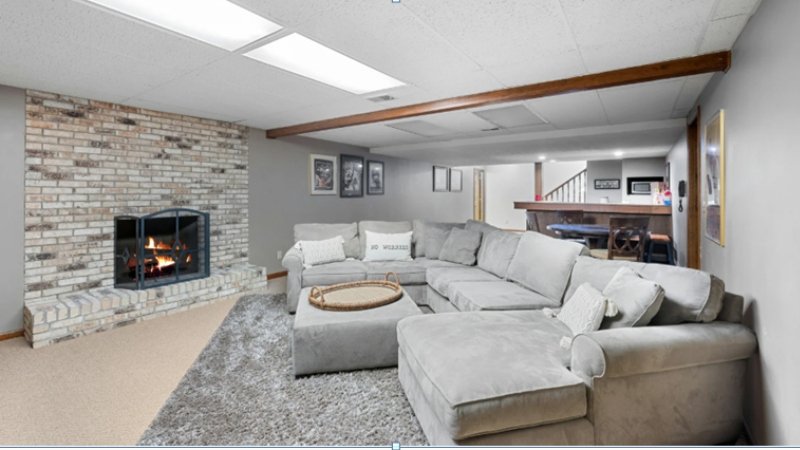
Transforming an unfinished lower level into a functional living area can significantly elevate your home’s appeal. Yet, even the most promising basement renovations in Chicago can turn problematic without a proper strategy. A basement remodel is not a simple cosmetic project; it’s a complex undertaking that demands foresight, technical precision, and expert planning. From managing moisture to optimizing design flow, avoiding key mistakes ensures both long-term performance and enhanced property value. Each decision, from materials to layout, directly affects how the space will age and function over time.
Overlooking Structural and Moisture Considerations
Basements present unique challenges that differ from the upper levels of the home. The most frequent mistake homeowners make is ignoring existing moisture or foundation issues before construction begins. Trapped humidity or inadequate drainage can compromise finishes, flooring, and air quality.
Professionals prioritize waterproofing and structural reinforcement as the foundation of any basement project. Installing vapor barriers, sump pumps, and insulation systems ensures long-term stability and prevents costly repairs. Skipping these measures to cut costs may lead to expensive damage in the future, erasing the value gained from the renovation.
Poor Space Planning and Layout
A basement remodel should enhance both usability and aesthetics. A common error lies in underestimating how space will actually be used. Without strategic zoning, basements often become cluttered or underutilized. Experienced designers start by defining clear functions, whether the space will serve as a home office, entertainment area, gym, or guest suite.
Open-concept designs with flexible partitions often work best for multi-purpose basements. Storage solutions, such as built-in cabinetry or concealed shelving, maintain visual order without sacrificing practicality. A professional layout transforms even the most compact basement into a dynamic extension of the home.
Ignoring Natural Light and Ventilation
Lighting defines how a basement feels. Relying solely on artificial lighting results in a confined, dim environment. The integration of egress windows, light wells, or reflective wall colors enhances brightness and makes the space feel open. Similarly, proper ventilation prevents the area from becoming musty or stagnant.
Designers often recommend layering light sources, combining ambient, task, and accent lighting, to achieve dimension and warmth. When done correctly, these techniques can make a lower-level feel just as inviting as any upper-floor living space.
Compromising on Material Quality
Cutting costs on finishes and materials may appear budget-friendly initially, but it often undermines longevity. Basements experience temperature fluctuations and higher humidity levels, making durable materials essential. Waterproof flooring, mold-resistant drywall, and energy-efficient insulation ensure the renovation withstands environmental challenges.
Professionals emphasize using materials designed for below-grade conditions. This strategic investment safeguards against premature wear and guarantees that the finished space maintains its integrity and appearance over time.
Neglecting Professional Insight
Attempting to oversee a basement remodel without expert input can lead to design inconsistencies and overlooked technical issues. Contractors and designers bring industry experience that identifies potential challenges before they escalate. They ensure compliance with local building codes, proper egress access, and efficient mechanical layouts, all critical components of a safe, functional basement.
Leveraging professional design insight and basement remodeling ideas helps homeowners visualize possibilities they might not have considered. From optimizing ceiling height to maximizing storage, experts transform conceptual designs into livable realities.
Underestimating Long-Term Value
A Basement Renovations should enhance both lifestyle and property equity. However, prioritizing short-term savings over enduring quality often diminishes future resale appeal. Materials, finishes, and design decisions should all align with long-term goals.
Professionals recognize that a well-executed basement remodel isn’t merely a cosmetic update; it’s a structural and functional investment that redefines how a home performs.
Conclusion
Basement renovations succeed when driven by strategy, expertise, and precision. Avoiding structural neglect, layout missteps, and material compromises ensures the space remains durable, comfortable, and valuable. When executed professionally, a basement remodel becomes more than an expansion; it becomes a refined, future-proof addition that enhances every aspect of home living. You Can Also Read: Why Sculptural Lighting Is the New Centerpiece Trend