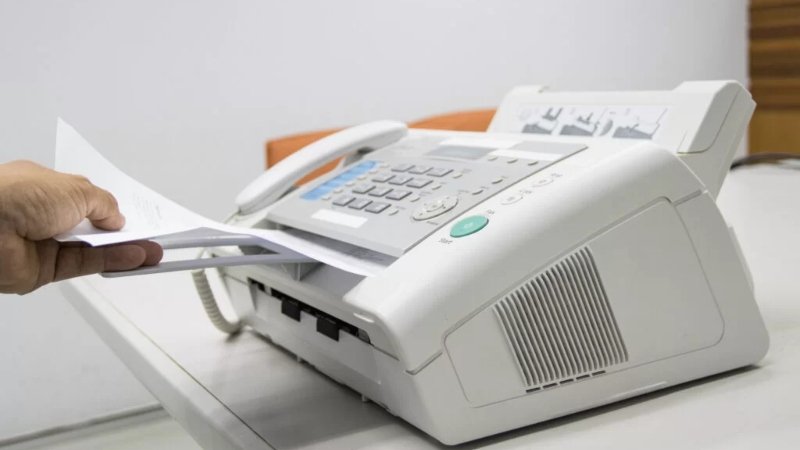
In an era where technological advancements are at the forefront of industry transformation, healthcare facilities are looking to upgrade their legacy systems to keep pace with modern demands. The traditional fax machine, once a staple in clinical settings, is no longer the best fit for the fast-moving, data-driven healthcare environment of today. Transitioning to more efficient and secure means of communication is not just a convenience; it’s becoming a necessity for regulatory compliance, patient privacy, and quality care. Please keep reading to uncover how healthcare facilities can benefit from updating their fax systems to more contemporary solutions.
The Demand to Modernize: Transitioning Away From Traditional Fax Systems
Healthcare professionals in a hospital setting are utilizing digital tools, underscoring the need to replace legacy systems with more efficient solutions, such as fax for healthcare.
The persistence of fax machines in healthcare settings is often attributed to their historical significance in patient data exchange and regulatory compliance. However, the limitations of paper-based systems are becoming increasingly apparent. Inefficiencies such as manual data entry, the physical need for paper, and the potential for human error have highlighted the urgency for modernization.
As healthcare providers strive for timely and accurate communication, the transition away from traditional fax systems becomes inevitable. The cost savings, along with improved workflow efficiency, make electronic alternatives an attractive proposition for healthcare facilities of all sizes. Providers must ensure staff training and adherence to new protocols that accompany advanced systems. Upland’s InterFAX offers a secure and reliable solution built for the healthcare industry. Only through proper education can the benefits of secure electronic fax solutions, such as fax for healthcare, be fully realized.
Moreover, the environmental impact of reducing paper usage cannot be overlooked, aligning with broader sustainability goals within the sector. The transformation to digital solutions promises both eco-friendliness and operational excellence.
Navigating Compliance and Security in Fax System Upgrades
One of the critical challenges in upgrading fax technology is ensuring that new systems adhere to stringent healthcare regulations, such as the Health Insurance Portability and Accountability Act (HIPAA). Protecting patient information is paramount, and any new fax solution must offer robust security measures.
Electronic systems often provide enhanced security features, such as encryption and secure servers, which are essential for safeguarding against data breaches. The discipline of evaluating and selecting compliant technology requires thorough due diligence to mitigate risks involved with digitization.
The attention to compliance has the added advantage of building trust among patients, who are increasingly concerned about the privacy of their health information. By investing in secure fax technology, healthcare organizations demonstrate their commitment to protecting patient data.
Elevating Healthcare Efficiency With Electronic Fax Solutions
Alt text: Physician reviewing digital records on a monitor, showing the operational benefits gained by adopting modern solutions like fax for healthcare.
The incorporation of electronic fax solutions into healthcare workflows represents a significant leap toward operational efficiency. Digital faxes can be sent and received much faster than their analog counterparts, eliminating the wait times associated with machine transmission.
Introducing an electronic system allows medical records and sensitive information to be transmitted securely and directly into electronic health record systems. This not only streamlines document handling but also decreases the likelihood of misplaced or misfiled paperwork.
Furthermore, such systems often come with advanced features, such as confirmation of receipt and automatic sorting, that help manage high volumes of data with greater precision. The cumulative effect of these improvements is notably higher productivity among healthcare professionals.
An additional benefit is the reduction in overheads linked to paper use, ink, and the maintenance of physical machines. Deploying an electronic fax system can translate into considerable savings, allowing funds to be reallocated to other crucial areas of patient care.
Steps for a Seamless Integration of Advanced Fax Technology in Medical Settings
The transition to advanced fax technology in healthcare should begin with a comprehensive evaluation of current processes and how they can be optimized with new systems. Selecting a solution that closely aligns with the organization’s needs and workflow is crucial for a successful integration.
Stakeholder engagement is another key step in the process. From administrative staff to physicians, everyone must understand the benefits and operation of the new system. Buy-in at all levels ensures a smoother transition and better utilization of the technology.
Technical support and training sessions should be an integral part of the integration plan. These will address potential challenges that staff may encounter while becoming familiar with the new system and promote confidence in its use.
Updating traditional fax systems to modern electronic or cloud-based platforms is crucial for healthcare facilities seeking to enhance efficiency, security, and compliance. These improvements not only streamline internal workflows but also elevate the standard of patient care through swift and secure information exchange. See Also: Dan Aykroyd Patron