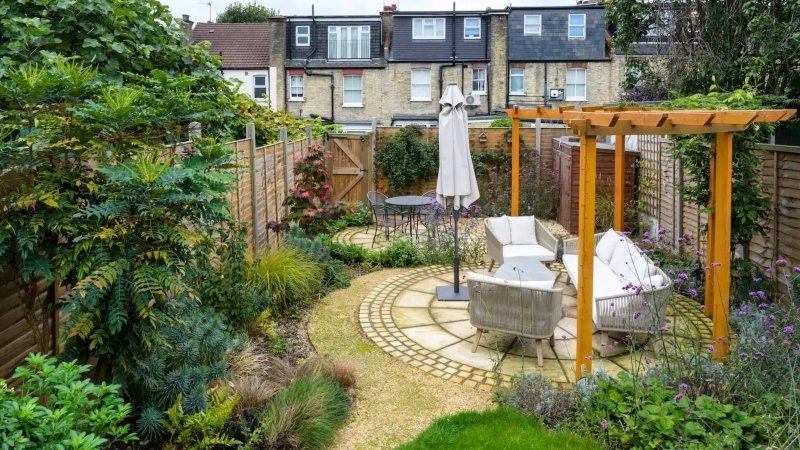
Step outside your back door and imagine hearing robins in the hedge, spotting bees working the flowers, and seeing butterflies drift across the lawn. Across Britain, homeowners are turning ordinary gardens into wildlife refuges — and you can do the same.
You do not need acres of land or specialist knowledge. With a few thoughtful choices, your garden can support declining pollinators, garden birds, and even hedgehogs.
These simple changes help local ecosystems and make your outdoor space feel more alive, seasonal, and connected to nature.
Planting Native Species That Wildlife Recognises
One of the most effective things you can do is fill your garden with plants that British wildlife evolved alongside. Native species provide the right nectar, seeds, and shelter. Animals will find nesting spots that imported ornamental plants cannot offer.
Shrubs like hawthorn and blackthorn offer blossom for pollinators in spring and berries for birds in autumn. Foxgloves, primroses, and field scabious are favourites with bees. Even letting a patch of nettles grow in a quiet corner can support the caterpillars of native butterflies.
The bonus for you? Native plants are well-suited to UK weather, so they usually need less watering, fewer chemicals, and less demanding care overall.
You can also think seasonally when choosing plants. Aim for something that blooms from early spring through to late autumn, so pollinators always have a food source. Winter structure from seed heads and berrying shrubs keeps birds fed when natural food is scarce.
Creating Varied Habitats Instead of One Flat Lawn
Wildlife thrives in gardens that offer variety. A garden made up of only lawn and patio has limited value, but adding different layers and features creates homes for a wide range of species.
Leaving a sunny patch to grow into a wildflower area can attract bees and butterflies throughout summer.
Similarly, a small hedgerow along a boundary offers nesting spots for birds and safe routes for small mammals. Even a pile of logs tucked into a corner becomes shelter for beetles and frogs.
By mixing grass, shrubs, flowers, and natural corners, you turn your garden into a network of mini habitats rather than a single open space.
Height differences also matter. Taller plants, low ground cover, and mid-height shrubs create shelter from wind and predators, making animals feel safer using your garden as a regular stop.
Adding Water Sources That Support Life
Water is one of the fastest ways to increase wildlife visits. Birds need it for drinking and bathing, insects rely on it in dry spells, and amphibians depend on it for breeding.
A simple birdbath placed in a quiet, partially shaded spot can quickly become one of the busiest areas in your garden. Changing the water regularly keeps it safe and attractive.
If you have space, a small wildlife pond can make an even bigger impact. Shallow edges, native aquatic plants, and a gently sloping side help creatures get in and out safely. Even a modest pond can bring in frogs, dragonflies, and visiting birds.
Adding a few flat stones or floating cork pieces gives insects safe landing spots, preventing them from drowning. These small touches make water features usable for a wider range of species.
Reducing Chemical Use and Letting Nature Balance Itself
Pesticides and synthetic fertilisers often harm the very wildlife people are trying to attract. Beneficial insects, soil organisms, and birds can all be affected, weakening the natural balance in your garden.
Switching to compost, leaf mould, and organic feeds improves soil health and supports earthworms that keep the ecosystem functioning. Also, encouraging natural predators such as ladybirds helps control pests like aphids without chemicals.
A slightly less “perfect” garden is usually a far healthier one. Small signs of insect activity are part of a living system, not a problem to eliminate.
Finally, try to tolerate minor leaf damage or insect presence without reacting immediately. Healthy plants usually recover, and this patience allows natural predator populations to stabilise pest levels over time.
Leaving Spaces a Little Wild on Purpose
Not every corner of your garden needs to be tidy. In fact, slightly messy areas are often the most valuable for wildlife.
Leaving fallen leaves under hedges, allowing seed heads to stand through winter, or keeping a small pile of twigs and logs creates shelter for insects and small animals.
Hedgehogs, a much-loved but declining British species, rely on these undisturbed spots for nesting and overwintering. These relaxed areas also reduce your maintenance workload while quietly boosting biodiversity.
Longer grass in a small section can also provide cover for insects and small mammals, especially during colder months. You can still keep the rest of the lawn neat while dedicating one zone to nature.
Connecting Your Garden to the Wider Green Network
Your garden becomes even more powerful when it links with others. Wildlife does not recognise fences the way we do.
Creating small gaps at the base of fences helps hedgehogs move between gardens — something many UK conservation campaigns now promote. Planting boundary hedges instead of solid fencing also offers safe travel routes for birds and insects.
When neighbours take similar steps, gardens collectively become wildlife corridors connecting parks, woodlands, and allotments.
Even climbing plants on walls and fences can help bridge gaps between green spaces, offering nectar, shelter, and nesting opportunities in otherwise bare areas.
Professional gardening services can be especially valuable when designing spaces that contribute to wildlife-friendly gardens on a broader scale.
These experts understand how to select native plants, create layered habitats, and position nature-friendly features around your garden.
This approach helps your garden connect more effectively with surrounding green spaces. It will be a part of a healthier, more resilient network that benefits birds, insects, and small mammals, while keeping the space nicely structured.
Getting Your Community Involved in Wildlife Gardening
Wildlife gardening spreads quickly once people see the results. Talking with neighbours, swapping plants, or joining local gardening groups can help create wildlife-friendly streets rather than isolated gardens.
Community plant swaps, seed exchanges, or small workshops can introduce others to native planting and eco-friendly methods. Schools and youth groups are also getting involved, helping children learn about biodiversity right where they live.
When whole communities make small changes, the combined impact on local wildlife can be significant.
Sharing progress online through local Facebook groups or neighbourhood forums can also inspire others and create a sense of shared purpose around greening the area.
Conclusion
Turning your garden into a wildlife-friendly space is not about grand gestures. It is about simple, thoughtful choices that make room for nature alongside everyday life.
Start with one change — a native plant, a birdbath, a patch of wildflowers — and build from there. As your garden becomes busier with birdsong and pollinators, you will see just how lively your garden can be. See Also: Kenn Whitaker for more details.